


Did you know that Bangladesh is home to one of the largest river deltas in the world, the Sundarbans, which is also a UNESCO World Heritage Site? Sharing your culture through letters can bridge gaps between different backgrounds and spark meaningful friendships. Writing to a pen friend about Bangladesh not only allows you to showcase your rich heritage-like delicious foods, vibrant festivals, and unique traditions-but also opens a door to mutual understanding and exchange.
For many, connecting with someone from a different country can feel daunting, but it’s also an exciting opportunity to learn and grow together. By expressing your thoughts, experiences, and enthusiasm about your home, you can encourage your pen friend to do the same, creating a beautiful tapestry of cultural narratives. So, let’s dive into the heart of Bangladesh and uncover the wonders to share that will not only enlighten your pen friend but also enrich your friendship!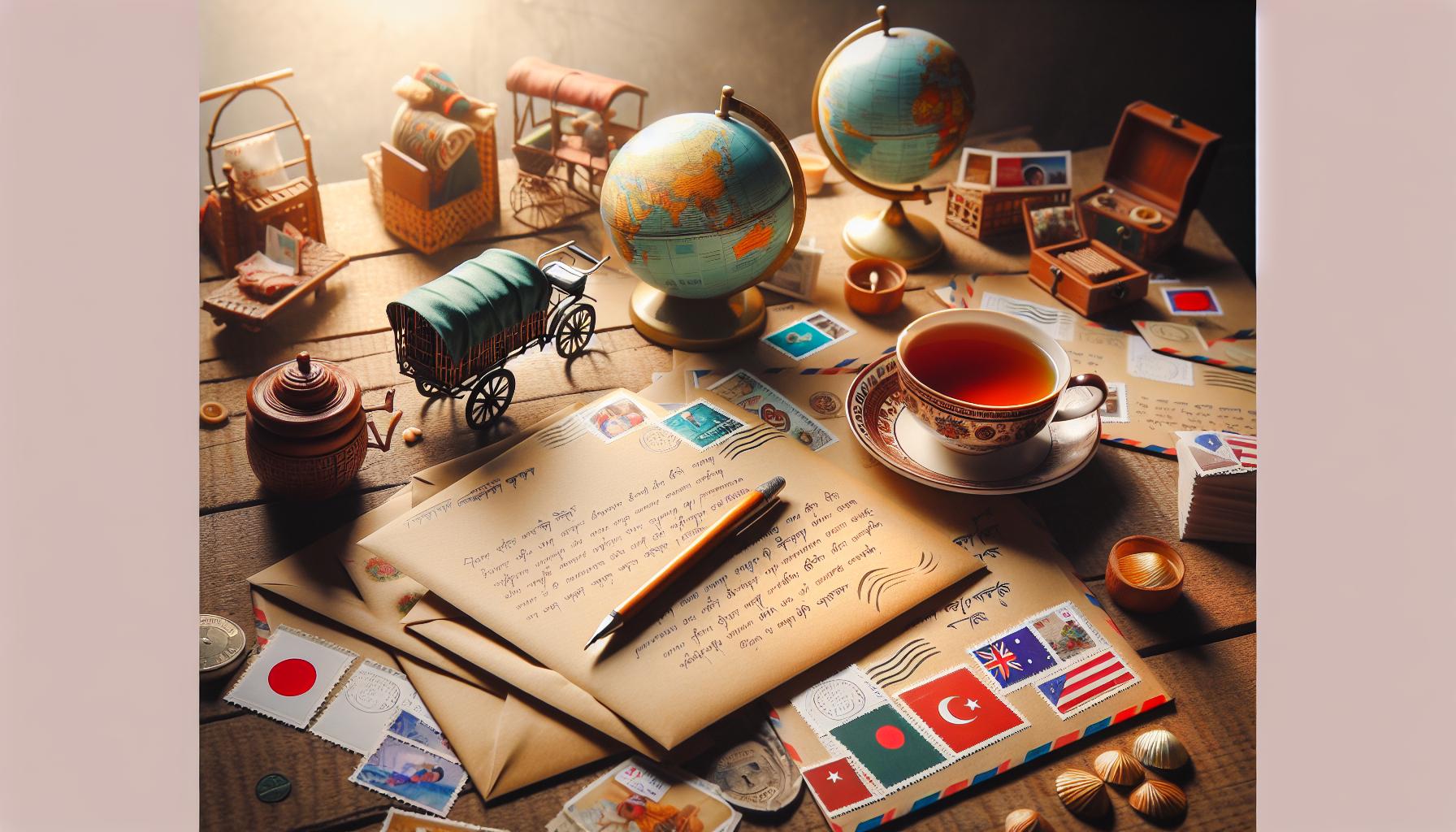
Understanding Bangladesh: An Overview of Our Nation’s Identity
Bangladesh, often described as a tapestry of rich culture, history, and resilience, holds an identity shaped by its diverse influences and vibrant traditions. Nestled in South Asia and bordered by India and Myanmar, this nation is recognized for its lush greenery, extensive river systems, and the warmth of its people. A captivating aspect of Bangladesh is its blend of Bengali culture with Islamic, Hindu, and colonial remnants, resulting in a unique heritage that resonates through its languages, music, and lifestyle.
When writing to a pen pal about Bangladesh, you might want to share how the nation’s identity is deeply rooted in its historical journey, from the struggle for independence in 1971 to its contemporary growth story. The people of Bangladesh are known for their resilience and the ability to find joy in simplicity, whether through daily interactions or colorful festivals. Highlight the significance of traditions like Pohela Boishakh (Bengali New Year) and Durga Puja, where communities gather to celebrate with music, dance, and vibrant displays of art-a testament to the rich cultural fabric that binds its people together.
Community and Identity
At the heart of Bangladesh’s identity lies the notion of community. Family and social networks play a crucial role in everyday life. It’s common for people to extend hospitality to neighbors and friends, ensuring that no one feels alone or neglected. This spirit of communal belonging is reflected in how festivals and gatherings flourish, often revolving around food, storytelling, and music, making every occasion an experience to cherish.
In your correspondence, consider sharing anecdotes that illustrate the everyday experiences in Bangladesh, such as visiting a local market filled with colorful spices and textiles or enjoying a traditional meal like bhuna khichuri on rainy days. These details not only provide context but also invite your pen friend to appreciate the layered richness of your identity as a Bangladeshi. Each letter becomes a bridge, fostering deeper understanding and appreciation for the diverse world we inhabit.
Vibrant Traditions: Festivals and Celebrations in Bangladesh
Celebrating festivals in Bangladesh is like stepping into a vibrant mosaic of colors, sounds, and traditions that bring communities together in joyous expression. One of the most significant occasions is Pohela Boishakh, the Bengali New Year, celebrated around April 14th. On this day, people dress in traditional attire, flock to the streets for processions, and enjoy festive foods, symbolizing renewal and the hope for prosperity in the year ahead. Street fairs, known as “Mela,” become centers for art, crafts, and delicious local delicacies, where families gather to indulge in sweets like pitha (rice cakes) and mishti (sweets).
Another noteworthy celebration is Durga Puja, rooted in the Hindu tradition, yet recognized by many in Bangladesh due to its grandeur and cultural significance. This festival honors the goddess Durga and marks the victory of good over evil. The air is filled with the sounds of drums and hymns, and beautifully crafted idols of Durga adorn temporary structures called puja mandaps. The entire community participates in the festivities, offering prayers, sharing meals, and enjoying performances of traditional music and dance. It’s a time when people come together, reinforcing bonds of friendship and solidarity.
In addition to these major festivals, there are many smaller yet equally captivating celebrations throughout the year, such as Eid-ul-Fitr and Eid-ul-Adha, which commemorate important events in the Islamic calendar. These occasions foster a spirit of sharing and charity, with families and friends gathering for special prayers, meals, and generous acts of giving. The unique fusion of practices from various religious backgrounds creates a rich cultural tapestry, showcasing the country’s diversity and inclusiveness.
When sharing these vibrant traditions with your pen pal, consider recounting personal memories or experiences from these festivals-maybe a favorite dish you love at Pohela Boishakh or a special moment from a Durga Puja celebration. Such anecdotes not only bring the festivals to life but also invite your friend into the heart of your culture, making it a shared experience. Remember, the beauty of writing letters lies in the genuine connections you create, rooted in curiosity and celebration of differences.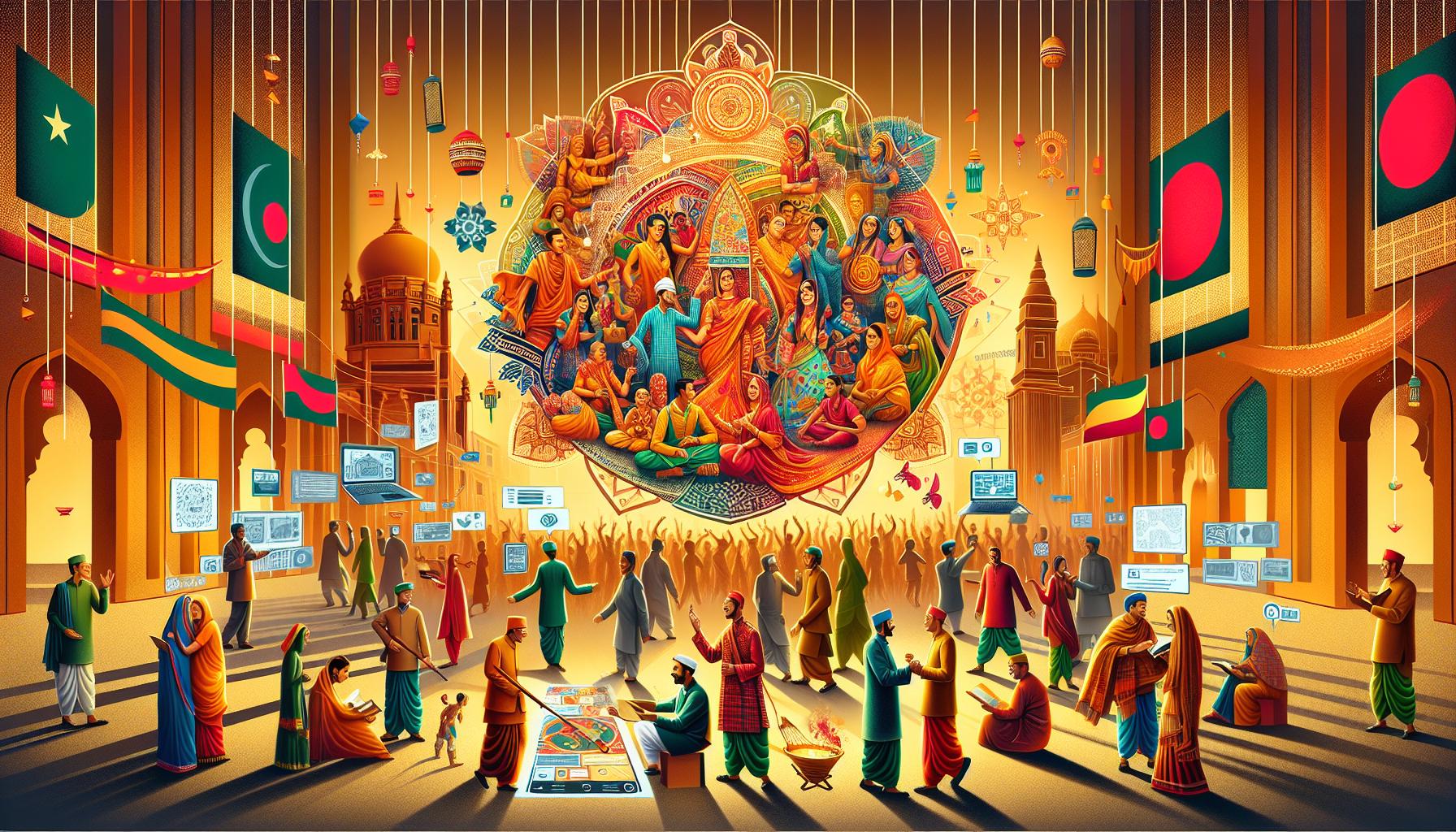
Culinary Delights: Must-Try Dishes from Bangladesh
Every bite of Bangladeshi cuisine tells a story of tradition, culture, and the rich agricultural landscape of the nation. Whether you’re a seasoned food lover or a curious newcomer, exploring the culinary delights of Bangladesh offers a unique way to connect over delicious flavors and ingredients. The nation’s cuisine is characterized by its diverse influences, with rice and fish as staples, reflecting the agricultural bounty and vibrant culture of the country.
One must-try dish is Biryani, a fragrant rice dish usually prepared with marinated meat, spices, and sometimes potatoes. Each region has its own twist on this beloved dish, with the Kacchi Biryani from Dhaka being particularly famous. It features raw marinated meat that is cooked with the rice, infusing every grain with flavor. Another dish to savor is Hilsa Fish – often considered the national fish of Bangladesh. It’s typically prepared with mustard oil, green chilies, and spices, and served with steamed rice, making for a perfect representation of local flavors.
Don’t miss out on Shorshe Ilish, where the hilsa fish is cooked in a mustard paste, creating a delightful balance of rich flavors. For those with a sweet tooth, Rasgulla and Mishti Doi are iconic desserts. Rasgulla consists of soft balls made from chhena (fresh cheese) soaked in sugar syrup, while Mishti Doi is a sweetened yogurt that is often enjoyed at festivals and special occasions.
To introduce your pen pal to these culinary delights, consider sharing a favorite family recipe or recounting a memorable meal you’ve had. You might describe the atmosphere of a bustling local market where spices and fresh produce are abundant, or invite them to imagine the warmth of a family gathering around a table laden with delicious homemade dishes. These personal anecdotes not only celebrate your heritage but also bring your culture to life, creating a delightful experience for your friend. Sharing your food stories can spark curiosity and a wonderful exchange about recipes, cooking techniques, and flavors from both of your countries, making your pen pal correspondence even more enriching.
Art and Craft: Exploring Bangladesh’s Cultural Heritage
Bangladesh is a treasure trove of art and craft that reflects the vibrant spirit of its people and their rich cultural heritage. Each region boasts unique traditions, from intricate textiles to exquisite pottery, celebrating the diverse influences that have shaped Bangladeshi identity over centuries. One of the standout art forms is the famous nakshi kantha, an embroidered quilt made from layers of old cloth. This beautiful craft is not just functional; it tells stories through its elaborate patterns and motifs, carrying significant cultural narratives that connect generations.
Handicrafts that Tell a Story
Bangladeshi crafts are deeply rooted in the country’s history and daily life. The jamdani sarees, recognized by UNESCO as a Masterpiece of the Oral and Intangible Heritage of Humanity, exemplify the exceptional skill of local weavers. These sarees feature delicate patterns woven directly into the fabric, showcasing the artistry that has been passed down through generations. When writing to your pen pal, sharing details about local artisans or the process behind creating these textiles can spark fascinating conversations about traditional crafts.
In addition to textiles, pottery holds an essential place in Bangladeshi culture. Terracotta pottery, primarily produced in the village of Nakshigully, is notable for its beauty and practicality. Artisans craft pots, vases, and traditional earthen stoves, often adorned with intricate engravings that reflect local themes and folklore. Encouraging your pen friend to explore the significance of these crafts can lead to delightful exchanges about cultural practices and artistic expressions from both your countries.
Cultural Festivals and Art Exhibitions
Engaging with the vibrant art scene during local festivals can provide a window into Bangladeshi craftsmanship. Events such as the Dhaka Art Summit celebrate contemporary art and connect local artists and international audiences. Describing your experiences at such events can add a personal touch to your correspondence, helping your pen pal visualize the bustling atmosphere filled with creativity and inspiration.
As you share the allure of Bangladeshi art and crafts, consider including images of local artworks, or even small drawings of motifs common in your culture. This not only enriches your letters but also emphasizes the emotional connections that art can foster between people from different backgrounds. The magic of cross-cultural exchange lies in these personal stories, nurturing a deeper understanding of our shared humanity through the beauty of creativity.
Friendly Greetings: How We Communicate and Connect
In Bangladesh, greetings are not just a formality; they are a heartfelt expression of warmth and connection that reflects the rich culture and values of the people. Whether you are meeting someone for the first time or reuniting with a friend, the way we communicate is imbued with respect, kindness, and a touch of personal charm. For many, starting a conversation often begins with the simple yet meaningful phrase, “Assalamu Alaikum,” which translates to “Peace be upon you.” This greeting is deeply rooted in Islamic culture and is common throughout the country, making it a perfect gateway to fostering connections.
When interacting with others, particularly in more rural areas, people may take the time to inquire about each other’s well-being and family before diving into the main topic of conversation. This communal aspect of greeting emphasizes the importance of relationships in Bangladeshi society. Joking, smiling, and using light-hearted banter are also integral to our interactions, creating a friendly atmosphere that makes everyone feel welcome. To engage smoothly with your pen pal, you might share your own experiences with greetings and how they help set the tone for your conversations, showing them how you cherish these little moments of connection.
Certainly, the beauty of communication in Bangladesh extends beyond mere phrases. Body language and gestures play a crucial role, too. A gentle handshake, a nod, or even a slight bow can signify respect and friendship. The use of “namaaste,” accompanied by joining hands and a slight bow, reflects a blend of cultural influences-especially from Hindu traditions-and showcases the inclusivity of communication styles in our society. Sharing such nuances with your pen friend provides them with insights into our culture’s rich tapestry and underscores the importance of understanding non-verbal cues in building connections.
As you exchange letters, don’t hesitate to ask your pen friend about their greetings and communication styles. This kind of inquiry not only deepens your understanding of each other’s backgrounds but also opens up pathways for meaningful dialogues. Each letter could serve as a delightful exploration of cultural differences and similarities, enhancing your correspondence and nurturing a friendship that transcends borders. Warm and genuine communication can lead to a lasting bond, making your pen pal journey enriching and fulfilling.
Nature’s Beauty: Bangladesh’s Landscapes and Eco-Tourism
Bangladesh is a treasure trove of natural beauty that captivates visitors and locals alike. Renowned for its lush landscapes, this country is home to a variety of ecosystems-from the world’s largest river delta, the Sundarbans, to the serene hills of Chittagong and the breathtaking beaches of Cox’s Bazar. The interplay of rivers, hills, and fertile plains creates a rich tapestry of life, making it an ideal destination for eco-tourism enthusiasts keen on experiencing vibrant natural habitats and diverse wildlife.
One of the most notable features of Bangladesh’s ecological landscape is the Sundarbans, a UNESCO World Heritage Site. This expansive mangrove forest not only provides a habitat for rare species like the Bengal tiger but also serves as a crucial defense against coastal erosion and rising sea levels. Exploring the winding waterways of the Sundarbans on a boat tour offers an immersive experience in nature while supporting local conservation efforts. You might share stories with your pen friend about your adventures here, perhaps recalling a peaceful moment spotting a kingfisher or listening to the calls of various birds-a true sanctuary for nature lovers.
When it comes to adventure, the hill tracts of Bandarban present another unique aspect of Bangladesh’s natural beauty. With its rolling hills and breathtaking vistas, it’s perfect for hiking, trekking, and enjoying the tranquil environment. Here, you can meet indigenous communities and learn about their sustainable lifestyles, which can enrich your pen pal’s understanding of cultural intersections with nature. Consider sharing your tips for exploring these areas while supporting local tourism, encouraging your pen friend to think about the importance of responsible and sustainable travel.
Another gem is Cox’s Bazar, famous for having one of the longest natural sea beaches in the world. Beyond the stunning sunsets and lively beach activities, this destination is also an excellent spot for marine conservation. You could discuss your personal experiences engaging with local fishermen or partaking in beach clean-ups, highlighting the significance of protecting marine ecosystems. Sharing these insights not only fosters appreciation for Bangladesh’s natural beauty but also promotes awareness of environmental issues.
Encouraging your pen friend to explore the wonders of Bangladesh through the lens of eco-tourism can deepen their appreciation of your culture and the natural heritage surrounding you. You could ask them about their favorite nature spots or eco-friendly practices in their own country, thus sparking meaningful conversations that bridge your worlds. In this way, every letter becomes an exchange of not just words but visions of vibrant landscapes and shared values regarding our planet’s health and beauty.
Music and Dance: The Rhythms of Our Culture
Music and dance are not just forms of entertainment in Bangladesh; they are vital expressions of our culture, weaving the vibrant threads of our history, spirituality, and everyday life into a colorful tapestry. When you think of Bangladesh, you might picture the rhythmic beats of the “dhol” (a traditional drum) accompanying braided melodies, enticing people to move and celebrate together. This communal aspect is central to many Bangladeshi art forms, where every beat and note tells a story or marks an occasion.
The musical landscape of Bangladesh is rich and diverse, ranging from classical music influenced by Hindustani tradition to folk tunes that resonate with the lives of rural communities. One of the most cherished forms is “Baul” music, performed by wandering mystic minstrels known for their soulful lyrics that often explore themes of love, spirituality, and the human condition. Sharing a Baul song or discussing its meaning could spark a fascinating dialogue about values and beliefs between you and your pen friend.
Similarly, dance forms like “Nazrul Geeti”-named after the renowned poet Kazi Nazrul Islam-combine emotive expressions and intricate movements that reflect the soul of the Bengali people. In cultural celebrations, traditional dances such as “Jatra” (folk theater) or “Manipuri” dance often grace the stage, captivating audiences with their vivid costumes and storytelling. When you write to your pen friend, consider including a description of a local festival where these performances are held, or perhaps share your own experience attending such events. It’s a wonderful way to bridge the gap between cultures through art.
As an ambassador of your culture, let’s encourage your pen friend to explore the world of Bangladesh’s music and dance. Invite them to listen to a few songs or watch a performance online. You can even suggest a fun activity: create a playlist of your favorite Bangladeshi tunes and ask for their musical recommendations in return. This exchange is not only enlightening but also strengthens the bond of your friendship, allowing both of you to engage in a meaningful dialogue about your cultural heritage.
Warm Hospitality: The Significance of Guests in Our Society
When you step into a Bangladeshi home, you are not just a visitor; you become a cherished guest. The warmth and hospitality of the Bangladeshi people are legendary, deeply engrained in our culture. It’s common for families to go above and beyond to make their guests feel at home, often preparing special meals and providing comfortable accommodations. This sense of hospitality is a reflection of the age-old saying, “Atithi Devo Bhava,” which means “The guest is God.” This principle underscores our approach to hosting and fostering connections.
Guests in Bangladesh can expect to be pampered with an array of delicious foods, perhaps starting with sweets and snacks like samosas and pithas (rice cakes) that showcase the rich culinary heritage of our nation. When engaging with your pen friend, sharing stories about these dishes can be an exciting way to bond over food experiences and cultural traditions. You might describe a typical meal, highlighting the many flavors and ingredients that characterize Bangladeshi cuisine, such as the spicy curries and the fragrant biryanis that often accompany gatherings.
It’s also traditional to ask guests about their journey and well-being, as conversation flows freely in a gesture of sincere interest. Storytelling plays a key role in Bangladeshi hospitality; families often share tales of their history and local lore as a way to connect on a deeper level. Encouraging your pen friend to share their stories can create a rich dialogue, where both of you explore your backgrounds and the similarities that unite diverse cultures.
Ultimately, the hospitality you will experience in Bangladesh transcends mere politeness; it is a heartfelt exchange that fosters lasting friendships. As you write to your pen friend, consider inviting them to share their thoughts on hospitality in their culture. Perhaps suggest a fun idea like exchanging recipes or crafting letters filled with memories of gatherings, meals, or celebrations, which could be a delightful way to appreciate the unique traditions each one of you holds dear. This will not only enrich your correspondence but also deepen the understanding and appreciation of each other’s cultures.
A Day in the Life: Everyday Experiences in Bangladesh
Every day in Bangladesh paints a vibrant picture of culture, community, and the rhythm of life. Imagine waking up to the melodious call of the muezzin from nearby mosques, a soothing sound that heralds the dawn. The air is often filled with the delightful aroma of fresh bread from local bakeries and the scent of spices wafting from homes where breakfast is being prepared.
Morning routines vary widely but often include a hearty breakfast featuring items like paratha (flaky bread), beguni (banana fritters), or panta bhat (fermented rice), especially during the warm months. School children gather at bus stops, their bright uniforms a splash of color against the bustling backdrop of the city or village streets. In rural areas, life is set to a different pace, where farmers might start their day tending to rice paddies or livestock.
As the day progresses, the streets come alive with vendors selling everything from fruits and vegetables to garments and handmade crafts. This bustling marketplace is not just a shopping experience; it’s a social hub where neighbors exchange greetings and children play, fostering a sense of community. Chai (tea) stalls are ubiquitous, and stopping for a cup of tea is more than just a refreshment; it’s a time to connect, share stories, and catch up on local news.
In the evening, families gather to share meals, which are often the highlight of the day. It’s common to see families enjoying dishes like biryani or dal (lentils) along with fresh fish from nearby rivers. After dinner, conversations flow easily as stories of the day are shared, highlighting the importance of family ties and community in Bangladeshi culture. Sometimes, they might listen to traditional music or even participate in a dance, helping to preserve their rich artistic heritage.
The everyday life in Bangladesh, rich with experiences and communal bonds, offers countless opportunities for connection and storytelling. As you write to your pen friend about these daily experiences, consider sharing personal anecdotes and inviting them to portray their own daily routines. This kind of exchange can open up delightful dialogues about nature, traditions, and the small yet significant moments that define our lives.
Stories and Folklore: Sharing Our Rich Narrative Traditions
In every corner of Bangladesh, stories weave themselves into the fabric of everyday life, reflecting a rich tapestry of traditions that have been passed down through generations. These narratives, whether rooted in folklore, history, or personal experiences, are integral to understanding our culture and identity. For example, the legendary tales of the Bengali poet Kazi Nazrul Islam, often called the “Rebel Poet,” not only inspire pride in our literary heritage but also ignite discussions about freedom and resilience among friends and family during gatherings. Sharing such stories with your pen friend can be a delightful way to explore cultural nuances and foster deeper connections.
Stories in Bangladesh often come alive in the form of folklore, reflecting the collective wisdom and imagination of the people. Through engaging tales, characters from local legends-such as the clever trickster _Madhab_ or the benevolent _Bishakha_-teach moral lessons or offer commentary on social issues. You might recount your favorite folk tale, detailing how it shaped your perspective on community and relationships. Perhaps you can describe a magical night spent listening to elders recounting these legends by the flickering light of a kerosene lamp during a power outage, as the stars twinkled brightly overhead. This vivid imagery can invite your pen friend into the warmth and wonder of your cultural experiences.
Connecting through storytelling encourages an exchange of ideas and traditions; as you share your stories, invite your pen friend to share theirs too. They might have their own local tales or fables that reveal the essence of their culture, making the relationship richer and more meaningful. Consider creating a space where both of you can explore and discuss the significance of these narratives. You might suggest a theme for your next letter, like “The Hero of My Village” or “A Folktale from My Childhood,” turning your correspondence into a journey of discovery about diverse cultures and shared human experiences.
In Bangladesh, storytelling extends beyond mere entertainment; it forms a vital part of our social customs and communal gatherings. Strengthening these bonds through storytelling can be profound, opening up pathways to empathy, understanding, and friendship. As you engage with your pen friend, emphasize the excitement and joy that comes with every story shared, and remind them that they are part of this beautiful tapestry of narratives that enriches our lives and communities. By embracing the art of storytelling, you invite the world into your home, one letter at a time.
Social Customs: Respect and Etiquette in Bangladeshi Culture
In Bangladeshi culture, social customs and etiquette are intricately woven into the fabric of daily life, reflecting a profound respect for family, elders, and community. One of the cornerstones of these interactions is the emphasis on politeness and hospitality, which is often expressed through various friendly gestures and greetings. It is common to greet others with a warm smile and a polite “Assalamualaikum” (peace be upon you), especially when meeting someone for the first time. This greeting sets a tone of respect and friendliness, making it a perfect starting point for your pen pal exchanges.
When it comes to interactions, showing respect to elders is of utmost importance. Younger individuals often greet their elders by placing their hands on their hearts or bowing slightly as a sign of respect. Sharing personal stories about your life, including how you honor your elders, can foster a deeper connection with your pen friend. It’s also customary to address people using terms that reflect their social status or familial relations, such as “bhai” (brother) or “apa” (sister), which convey warmth and familiarity.
Meals in Bangladesh are a significant social event, drenched in rituals that highlight respect and hospitality. If you ever invite your pen friend over, or if they visit Bangladesh, they should be prepared to enjoy a feast! It’s traditional to serve guests first and offer them the best portions of food. You can express this unique aspect of your culture by sharing a vivid account of a family meal-how the food is served, the delicious aromas wafting through the air, and the joyful conversations that accompany the meal. Remind your pen friend that it’s polite to finish everything on their plate, as leaving food can be seen as wasteful.
Maintaining eye contact while speaking shows engagement and respect, while it’s also important to avoid openly criticizing or confronting others, as public disagreements can cause discomfort. Instead, approaching such discussions delicately and respectfully is appreciated. Writing about these social norms can provide your pen friend with insights into your culture while inviting them to share about theirs, promoting a warm exchange of customs and new learnings. By embracing these traditions in your letters, you not only nurture your friendship but also create a rich tapestry of shared experiences that can deepen your understanding of one another across cultures.
Q&A
Q: What are some unique cultural practices in Bangladesh?
A: Bangladesh is known for its rich cultural practices, including the tradition of ‘Shadarak,’ where families gather for communal meals during festivals. Additionally, the art of ‘Nakshi Kantha,’ a form of embroidered quilt-making, reflects the creativity and historical storytelling of the Bangladeshi people. Discover more about our vibrant traditions in the article!
Q: How do people in Bangladesh celebrate Eid?
A: Eid in Bangladesh is a grand celebration, marked by family gatherings, special prayers, and festive meals. Families often wear new clothes and share sweets. The festival fosters a spirit of generosity, with many people donating to the less fortunate, making it a deeply communal experience.
Q: What are the most popular traditional dishes in Bangladesh?
A: Traditional dishes like Biryani, Panta Bhat (fermented rice), and Hilsa fish curry are staples of Bangladeshi cuisine. These dishes are often enjoyed during festivals and family gatherings, showcasing the rich flavors and culinary heritage of our nation.
Q: How is hospitality viewed in Bangladeshi culture?
A: Hospitality is a cornerstone of Bangladeshi culture, where guests are treated with utmost respect and warmth. It’s common for hosts to go above and beyond to ensure their guests feel comfortable, often serving abundant food and engaging in heartfelt conversations.
Q: What are some common greetings used in Bangladesh?
A: In Bangladesh, common greetings include “Assalamu Alaikum” (peace be upon you) and “Nomoskar” (a respectful greeting). These phrases reflect the importance of respect and warmth in our communication, setting a friendly tone for interactions.
Q: How do festivals showcase Bangladeshi culture?
A: Festivals like Pohela Boishakh (Bengali New Year) and Durga Puja are vibrant displays of Bangladeshi culture. They feature colorful parades, traditional music and dance, and delicious food. These events foster community spirit and preserve our rich heritage.
Q: What role does music play in Bangladeshi culture?
A: Music is integral to Bangladeshi culture, with genres like Baul, folk, and Rabindra Sangeet expressing our emotions, stories, and traditions. Festivals and family gatherings often include lively performances, highlighting the importance of music in our social fabric.
Q: Can you describe the natural beauty of Bangladesh?
A: Bangladesh is renowned for its stunning landscapes, including the lush mangroves of the Sundarbans, the serene beaches of Cox’s Bazar, and the breathtaking hills of Sylhet. This natural beauty is an essential part of our identity and attracts many eco-tourists.
The Conclusion
Thank you for exploring the vibrant culture of Bangladesh through our exchange! By sharing your experiences and stories, you’re not just connecting with your penfriend; you’re also enriching both your lives with new perspectives. As you continue your journey in letter writing, consider deepening your understanding of cross-cultural nuances-check out our articles on personal storytelling and crafting engaging letters for more insights.
Don’t forget, every time you share a little piece of your world, you foster connections that transcend borders. Embrace the joy of this pen pal experience; your next letter could spark a lifelong friendship! Feel free to leave a comment below about your favorite cultural detail to share, or subscribe to our newsletter for more tips and stories that inspire meaningful connections. Let’s keep the conversation going-your voice deserves to be heard!
Get our latest guides, news, and insights highlighted in your Google Search & AI Overviews.


