Net Pal vs Pen Pal: Modern Digital Friendship Guide & Best Sites
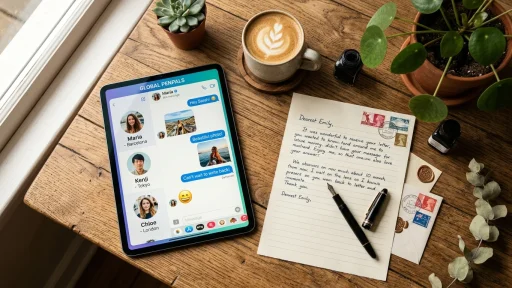
A net pal (also written as netpal) is an online correspondence friend with whom you cultivate a meaningful,…

Getting Started constitutes the foundational onboarding curriculum for aspiring epistolarians, providing procedural guidance on profile setup, supply curation, privacy protocol, and initial outreach to ensure a rewarding, lifelong correspondence practice.
The quintessential newcomer guide covering expectations, etiquette, and first steps toward building lasting friendships through mail.
Understand the timeless appeal of the pen pal tradition, epistolary culture, and why slow communication thrives in the digital age.
Actionable strategies for connecting with high-affinity pen friends across international borders and shared interests.
Embarking on a pen pal journey requires foundational preparation across three core pillars: privacy protection, supply acquisition, and communicative rhythm. Before exchanging addresses, new writers should establish clear personal safety boundaries—ideally securing a Post Office Box or using platform pseudonymity. Preparing a curated stationery kit featuring smooth 80–100 GSM writing paper, archival ink pens, and standard airmail envelopes transforms letter writing from a chore into a tactile ritual.
Equally vital is managing communicative pacing. New pen pals often feel pressured to reply immediately, treating postal letters like instant text messages. Embracing the intentional slowness of epistolary correspondence—allowing 2 to 3 weeks between letters to gather genuine life stories and reflections—ensures the partnership remains enjoyable and sustainable over many years.
| Preparation Phase | Core Action Required | Recommended Tools & Supplies | Common Beginner Trap |
|---|---|---|---|
| 1. Privacy Setup | Establish a safe receiving address | USPS P.O. Box or virtual private mailbox | Sharing home address with unverified strangers |
| 2. Stationery Procurement | Select functional, pleasing writing materials | Fountain/gel pens, 90 GSM paper, envelopes, stamps | Buying expensive specialty items before establishing habits |
| 3. Profile Optimization | Articulate specific passions and boundaries | Concise 150-word bio detailing hobbies and reply pace | Writing generic profiles (‘I like music and friends’) |
| 4. Outreach & Pacing | Initiate contact with 1–3 compatible peers | Introductory letter template, tracking notebook | Reaching out to 15+ writers at once and burning out |
All you need to begin is standard lined or unlined paper (80–100 GSM), a comfortable pen with archival ink, standard postal envelopes, and appropriate domestic or international postage stamps.
Standard epistolary etiquette suggests replying within 2 to 4 weeks for physical letters. What matters most is communicating your typical pace upfront so your partner knows what to expect.
While thousands of correspondents safely use home addresses, safety experts strongly recommend using a P.O. Box, school/office address, or digital pen pal apps like Slowly until mutual trust is established over several months.