
✨ This article was AI edited. Editorial responsibility: Penpal-Net.info.
Produced with AI. This article was artificially generated. Editorial responsibility: Penpal-Net.info.
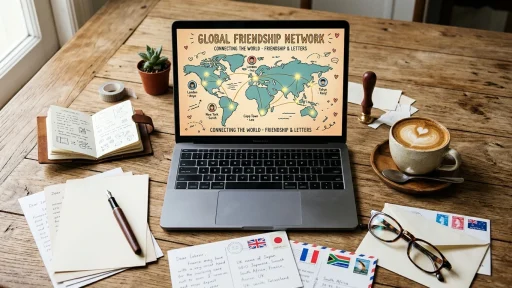
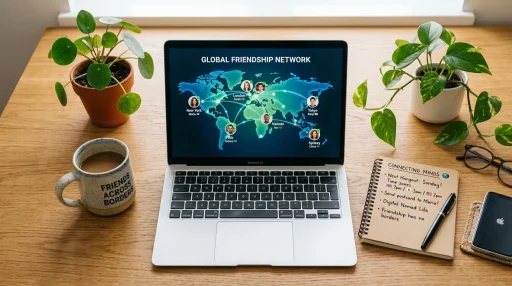
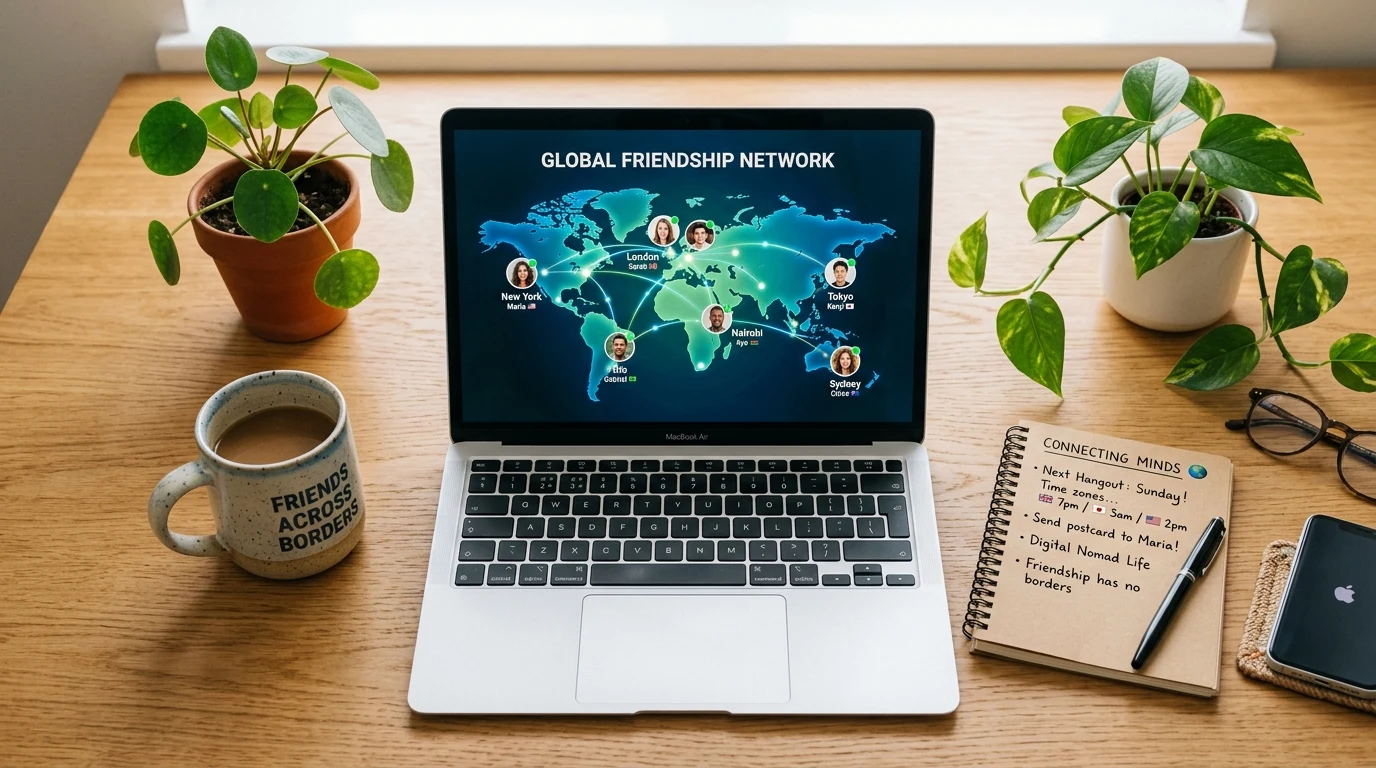
Pal Net (and global digital friendship networks) refers to the interconnected ecosystem of web-based correspondence platforms, international friend-matching directories, and multilingual exchange hubs that enable individuals worldwide to form meaningful, long-term cross-cultural connections safely and efficiently.
In our hyper-connected global society, physical distance is no longer a barrier to authentic camaraderie. Modern digital correspondence networks—often collectively termed pal net systems—allow curious minds across seven continents to exchange perspectives, practice languages, and cultivate empathy without the friction of international postal logistics.
Whether you are seeking creative collaboration, conversational language partners, or a mindful sanctuary from noisy algorithmic social media feeds, this comprehensive guide explores how to navigate digital friendship networks, select the best platforms, craft compelling introductory letters, and maintain long-lasting international relationships.
The Evolution of Digital Friendship Networks
The concept of a digital “pal net” originated during the early expansion of the World Wide Web, when bulletin board systems (BBS), IRC channels, and university email rings first allowed students to connect with peers abroad. Over the past three decades, these informal channels have evolved into sophisticated, community-moderated platforms designed specifically for reflective long-distance dialogue:
| Era | Dominant Network Model | Key Characteristics | Privacy Level |
|---|---|---|---|
| 1990s — Web 1.0 | Static Classified Webrings | Publicly posted email listings, unmoderated boards | Low (emails exposed to web crawlers) |
| 2000s — Web 2.0 | Centralized Database Portals | Internal messaging inboxes, search filters, age verification | Moderate to high (emails masked behind profiles) |
| 2020s — Modern Era | Algorithmic Epistolary Apps | Simulated postal transit, avatar-based privacy, language tools | Maximum (zero personal identifiers required) |
For a detailed breakdown of how digital correspondence differs from traditional postal snail mail, read our comparative guide on net pal vs pen pal.
Top Digital Networks for Connecting with Global Friends
Choosing an established, reputable network is the most critical step in building rewarding correspondence. Different communities cater to distinct writing goals:
1. Slowly: The Thoughtful Letter-Writing Network
Slowly has revolutionized the digital pal net ecosystem by intentionally re-introducing physical delay into digital communication. A letter sent between New York and Sydney takes approximately 30 hours to arrive, giving both parties time to anticipate delivery, reflect deeply, and compose substantial replies. Writers interact through customizable illustrated avatars, eliminating photo-based superficiality.
2. PenPal World: The Global Directory Giant
Operating continuously since 1998, PenPal World is one of the most reliable and highly trafficked friendship databases online. With millions of verified members across 190 countries, it allows users to filter correspondents by age, geographical region, hobbies, and language goals while strictly moderating profile photos and flagged content.
3. Tandem and HelloTalk: Language Exchange Networks
If your primary motivation is conversational language mastery, dedicated exchange hubs pair native speakers through mutually beneficial partnerships. Rather than casual unstructured chit-chat, these networks offer in-app translation, grammar correction prompts, and speech audio messaging.
Core Etiquette for Digital Correspondence Networks
To cultivate lasting friendships across digital pal networks, seasoned correspondents follow several unwritten rules of community etiquette:
Rules of Digital Friendship Etiquette:
- Write with Structure and Substance: Treat each message like a complete chapter. Avoid fragmented single-sentence replies. Learn the proper anatomy of epistolary formatting in our guide on what is a penpal letter.
- Honest Pacing Expectations: Let your correspondents know upfront whether your natural writing cadence is weekly, bi-weekly, or monthly. Reliability builds trust.
- Thoughtful Inquiries: Balance sharing details about your life with open, engaging questions about their culture and thoughts. Find curated questions in what to ask penpals.
- Graceful Farewells: If your schedule changes or your interests diverge, send a polite concluding note thanking your friend for their letters rather than vanishing unexpectedly.
Safety and Privacy on Digital Networks
While the vast majority of digital correspondents are friendly, enthusiastic hobbyists, exercising sound digital hygiene is paramount. Keep these security boundaries active across every network:
- Keep Messaging on the Host Platform: Never rush to share personal social media links, phone numbers, or residential addresses. Stay on the moderated network for several months.
- Absolute Financial Boundary: Never send money, cryptocurrency, prepaid cards, or financial donations under any circumstances. Review our full safety checklist in how to penpal safely.
- Identity Protection: Never disclose full legal names, financial information, employers, or specific neighborhood landmarks in introductory messages.
How to Write Your First Network Introduction
Your introductory message is your calling card. Instead of sending a generic “Hello, let’s be friends,” craft a warm, personalized note referencing details from the member’s profile. Discover proven introductory frameworks in our tutorial on what to write in your first penpal letter.
For an overarching guide to establishing your correspondence journey from account registration to long-term letters, consult our foundational manual on how does penpal work.
Frequently Asked Questions About Pal Net Networks
Are digital friendship networks safe for teenagers and young adults?
Reputable networks like PenPal World, Slowly, and Global Penfriends employ active moderation, photo review filters, and parental consent protocols. However, teens should always be guided on privacy boundaries, including never sharing real-time locations or physical addresses.
Can a digital pal net connection transition to postal mail?
Yes. Many correspondents begin with digital letters to establish comfort and safety, eventually exchanging postcards, care packages, and handwritten stationery through post office boxes.
How do I handle time zone differences in digital correspondence?
Because digital correspondence networks emphasize long-form letters rather than instant messaging, time zone differences actually enhance the experience—giving your friend hours to read and reflect while you sleep.
Get our latest guides, news, and insights highlighted in your Google Search & AI Overviews.