
✨ This article was AI edited. Editorial responsibility: Penpal-Net.info.
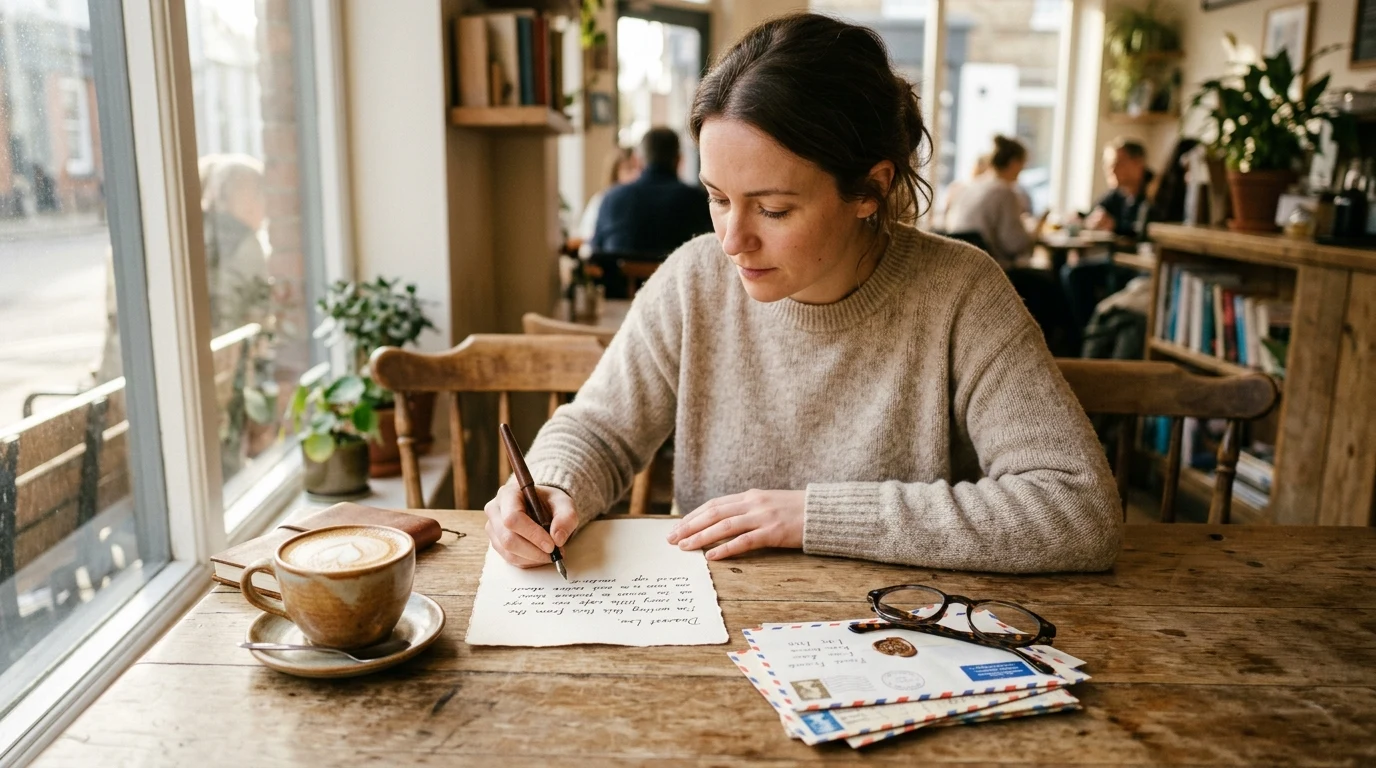
A penpal (or pen pal, penfriend) is a person with whom one builds a mutual friendship through regular written correspondence, historically exchanged via postal snail mail and increasingly through digital letters or specialized messaging platforms. Penpal relationships enable individuals to share personal life stories, practice foreign languages, explore diverse cultures, and enjoy the contemplative benefits of slow, deliberate communication across geographic distances.
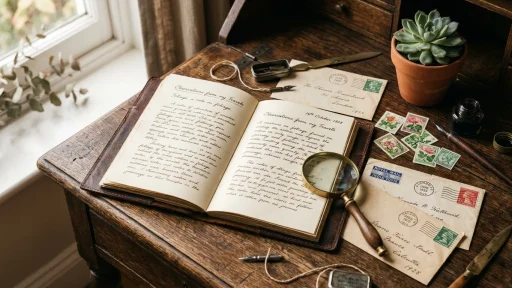
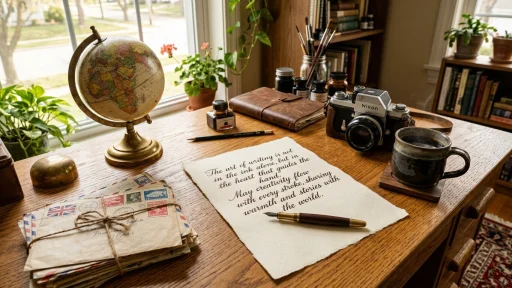
In an age characterized by instant text messages, ephemeral stories, and high-speed notifications, the concept of having a penpal might appear quaint to the uninitiated. Yet across the globe, millions of writers, students, artists, and language learners are rediscovering the profound resonance of penpaling. Whether written with a fountain pen on hand-milled cotton paper or composed through delayed digital delivery systems, the exchange of letters creates an intimate bond that fleeting digital interactions simply cannot replicate.
The Evolution and Cultural Origins of the Penpal
The term “pen pal” entered common parlance in the early 20th century, emerging from the informal union of “pen” (the instrument of writing) and “pal” (a trusted friend or comrade). However, the underlying practice traces its roots back hundreds of years. During the Enlightenment and the Victorian era, literary salons and epistolary societies fostered intellectual correspondence across borders, turning letter writing into an esteemed art form.
The movement expanded into a global cultural phenomenon during and immediately after the Second World War. Organizations like the Student Letter Exchange and international goodwill clubs paired youth from different nations to foster cross-border empathy and healing. Today, modern penpaling bridges the tactile warmth of the analog world with the borderless accessibility of the digital landscape.
Snail Mail vs. Digital vs. Hybrid: Finding Your Style
Modern penpals do not adhere to a single rigid medium. Correspondents choose communication channels based on their lifestyle, budget, and creative inclinations. The table below outlines the key characteristics of each correspondence model:
| Correspondence Model | Primary Channels | Pacing & Frequency | Tangibility & Creativity | Primary Appeal |
|---|---|---|---|---|
| Traditional Snail Mail | Airmail letters, envelopes, postcards | Bi-weekly to monthly | Very high (handwriting, washi tape, stamps, wax seals) | Tactile pleasure, slow living, tangible keepsakes |
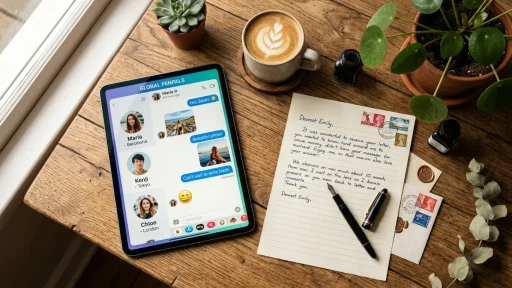
| Delayed Digital (e.g., Slowly) | Specialized delayed-delivery mobile apps | 1 to 3 days delivery lag | Medium (digital stamps, avatars, longform prose) | Zero postage cost, global reach, thoughtful pacing |
| Email / Digital Penpals | Standard email clients, web platforms | Weekly to bi-weekly | Low to moderate (typed text, embedded photos) | Convenience, long-form depth without postal transit |
| Hybrid Correspondence | Snail mail paired with messaging checks | Variable (letters + casual updates) | High overall | Immediate logistics coordination with deep postal letters |
The Psychology of Penpaling: Why Writing Heals
Why do people invest time crafting multi-page letters to individuals living thousands of miles away? Psychologists and cognitive scientists have identified several profound emotional and psychological benefits unique to epistolary relationships:
- The Catharsis of Deceleration: Sitting down to write by hand engages the brain’s motor-sensory pathways differently than rapid typing. It forces thoughts to slow down to the physical speed of the pen, reducing cortisol levels and organizing chaotic mental chatter.
- Vulnerability Without Social Pressure: Unlike face-to-face conversations or video calls where immediate reactions must be managed, writing to a penpal offers a non-judgmental space. You have the freedom to edit, reflect, and share authentic vulnerabilities without fearing an awkward pause.
- Anticipation as a Source of Joy: In a world conditioned to on-demand gratification, waiting two weeks for an international reply reawakens healthy anticipation. Checking the mailbox transitions from a chore filled with utility bills to an exciting daily adventure.
- Broadened Cognitive Empathy: Reading about another human being’s daily triumphs, cultural customs, culinary traditions, and local weather patterns breaks down stereotypes and nurtures genuine global empathy.
Beginner’s Checklist: How to Start Your Penpal Journey
Embarking on your first penpal friendship does not require expensive supplies or literary genius. Following a systematic approach ensures a smooth, secure, and rewarding launch:
- Define Your Correspondence Goals: Clarify what you hope to experience. Are you seeking casual cultural conversations, dedicated language practice, or creative stationery swaps? Knowing your goals helps you select the right partner.
- Establish Your Privacy Infrastructure: Before sharing physical mail, set up safe boundaries. Renting a Post Office Box or using an authorized mail receiving service is highly recommended for postal writers.
- Assemble Your Epistolary Toolkit: For snail-mail enthusiasts, invest in smooth-flowing pens (such as fountain pens or quality gel pens), bleed-resistant paper (80–100 gsm), durable envelopes, and an assortment of international postage stamps.
- Find a Compatible Partner: Join reputable platforms with community moderation. Review our detailed guide on how to penpal and master meaningful correspondence to discover the right community hubs.
Crafting Your First Letter: Overcoming the Blank Page
The blank sheet of paper can be intimidating. Many aspiring writers freeze, wondering how much personal history to reveal or whether their daily life is interesting enough to share. The secret is simple: authenticity always trumps grandeur.
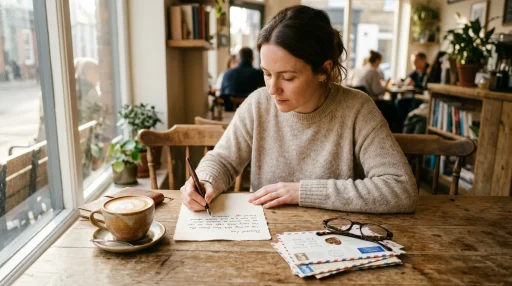
A memorable introductory letter should feel conversational and inviting. You might describe the room where you are writing, mention the tea brewing in your kitchen, or describe the quirks of your hometown. For concrete examples, sentence starters, and structural templates, consult our dedicated tutorial on how to write a first letter to a penpal.
As your correspondence evolves over months and years, maintaining conversational momentum requires deliberate curiosity. If you ever find yourself struggling for fresh subject matter, explore our comprehensive catalog of what to say to your penpal for deeper connections, covering everything from childhood memories to philosophical inquiries.
Penpal Etiquette: The Golden Rules of Lasting Friendships
The most common failure in penpaling is the sudden cessation of replies—known within the community as “ghosting.” Adhering to fundamental epistolary etiquette ensures that your connections remain vibrant and mutually rewarding:
- Balance Give and Take: Ensure your letter is not a one-sided monologue. For every paragraph sharing your own experiences, dedicate equal attention to responding to their questions and inquiring about their well-being.
- Acknowledge Delays Transparently: Life gets hectic. If work, school, or personal crises prevent you from replying promptly, a quick postcard or short note letting them know their letter arrived and that you will reply soon prevents unnecessary worry.
- Respect Cultural and Personal Boundaries: Avoid imposing personal political, religious, or ideological dogmas unless both parties have mutually agreed to explore such discussions with mutual respect.
- Keep What They Shared in Mind: Take brief notes on a separate pad when reading their incoming letter so you can ask thoughtful follow-up questions in your reply regarding their pet’s health, an upcoming exam, or an exciting trip.
Frequently Asked Questions About Having a Penpal
What is the difference between a penpal and an online friend?
While an online friend typically communicates via real-time instant messaging, voice calls, or social media comments, a penpal communicates primarily through structured, long-form letters (whether postal or delayed digital). Penpaling emphasizes reflective storytelling and deliberate pacing rather than rapid back-and-forth chat.
Is having a penpal safe?
Yes, penpaling is exceptionally safe when standard privacy practices are observed. Never share financial information, avoid publishing your home address on public websites, and use a P.O. Box or digital penpal application when first establishing contact.
How often should you write to your penpal?
For international snail mail, an exchange every 4 to 8 weeks is standard, considering transit times. For domestic mail, every 2 to 4 weeks is typical. For digital letter platforms like Slowly, once every 1 to 2 weeks maintains healthy momentum without creating burnout.
Do I need good handwriting to be a penpal?
No. Penpals value warmth, sincerity, and authentic thoughts far above immaculate penmanship. Legibility is helpful, but neat cursive is by no means a prerequisite for meaningful correspondence.
Get our latest guides, news, and insights highlighted in your Google Search & AI Overviews.