


In a world that feels increasingly interconnected, finding a pen pal can be a delightful way for children to learn about different cultures, share experiences, and develop writing skills. The magic of pen pal friendships lies in the exchanges of letters that can spark curiosity and foster empathy. However, it’s natural for parents to worry about safety and appropriateness when introducing their children to new correspondents.
This guide offers safe and fun options for kids to make meaningful pen pal connections. From established pen pal platforms that prioritize security to tips on crafting engaging letters, we’ll walk you through the journey of finding the perfect pen pal for your child. Encouraging open dialogue and genuine curiosity can lead to lasting friendships that transcend borders. Let’s explore how to make this a rewarding experience, enriching your child’s understanding of the world while ensuring their safety and comfort along the way.
How to Choose a Safe Penpal Program for Your Child
Selecting a safe pen pal program for your child can feel daunting, especially with the myriad of options available today. However, understanding the key features of a reputable program can ease your worries and help you find a perfect fit for your little one’s budding communication adventures. Start by seeking programs that prioritize safety, ensuring that they offer monitored or secure platforms where kids can engage with fellow pen pals. For example, platforms that facilitate contact through secure messaging systems-rather than direct personal email exchanges-can protect sensitive information while still encouraging engaging dialogue.
When evaluating a program, look for those with clear safety protocols in place. Programs that require parental consent, provide guidelines for appropriate interaction, and have measures for reporting concerns are crucial in creating a protective environment. Read reviews and testimonials from other parents to gauge the experiences others have had, as these insights can offer reassurance. Some organizations, like Love Mail, specialize in connecting pen pals while promoting cultural exchange in a safe manner and might also provide tips for families on maintaining security during communications [[1](https://lovemaillove.com/starting-your-pen-pal-journey-a-beginners-guide-with-safety-tips/)].
Moreover, it’s beneficial to engage in a conversation with your child about what they are looking for in a pen pal. Are they eager to share their favorite books, learn about different cultures, or exchange art? Identifying mutual interests can enhance the pen pal experience and provide natural conversation starters. This approach not only helps your child find a compatible pen pal but also fosters excitement and engagement in the process. Encourage your child to express their personality while being mindful of what they share-an essential balance as they navigate their interactions online.
In conclusion, choosing a safe pen pal program doesn’t have to be intimidating. By focusing on a structured environment that emphasizes security and encourages meaningful connections, you lay the groundwork for an enriching experience that nurtures your child’s curiosity and creativity while keeping their safety as a priority.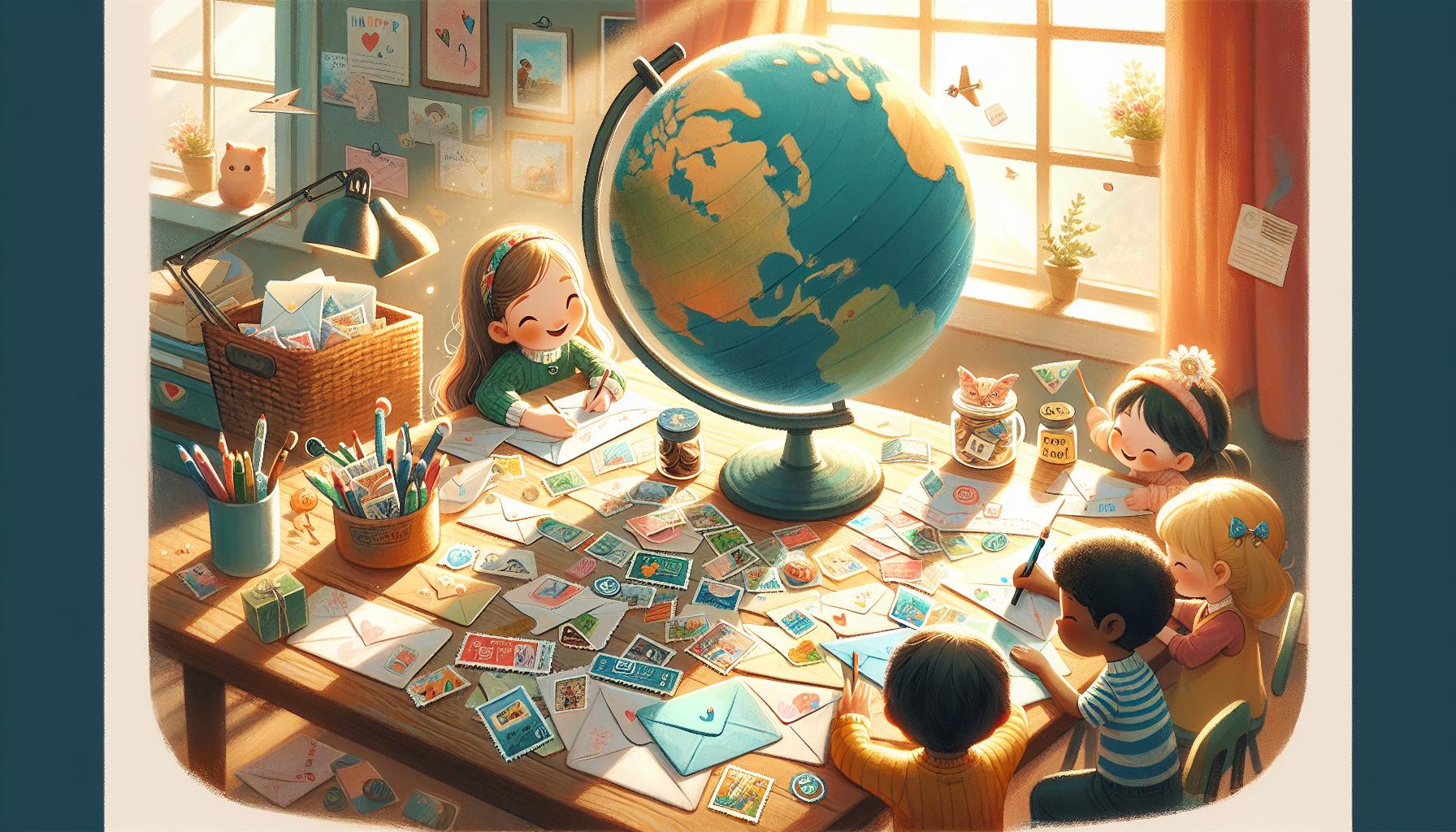
Creative Ideas for Kids’ Pen Pal Introductions
Starting a pen pal relationship is an exciting adventure for kids, full of the potential to make new friends, share experiences, and learn about different cultures. When introducing themselves to a new pen pal, children can embrace their creativity and enthusiasm to craft an engaging initial message that sets the stage for a wonderful friendship. Here are some imaginative ideas to help kids create a captivating first introduction that not only captures their personality but also invites curiosity and connection.
First, encourage kids to share a little about themselves in a fun way. Instead of just stating their name and age, they could present unique facts or quirky hobbies. For instance, they might start with something interesting, like: “Hi! I’m Sam, a 10-year-old magician who can make my dog disappear under a blanket!” This humorous approach is likely to elicit a smile and spark curiosity. Additionally, kids can use art to express themselves; including a small doodle or a colorful drawing can add a personal touch that words alone might not convey.
Next, ask them to think about what common interests they might want to explore with their pen pal. This could include favorite books, sports, or dream travel destinations. A thought-provoking prompt, like “If you could travel anywhere in the world, where would you go and why?” can help to open the doors for deeper conversations, making it easier for both children to find shared interests and bonds as they get to know each other better.
Creative Introduction Starters
Here are a few engaging sentence starters kids can use to kick off their introductions:
- “Hello! I love making up stories about aliens and their adventures; do you have any cool stories to share?”
- “Hi there! I am a huge fan of dinosaurs! If you could have any dinosaur as a pet, which one would it be?”
- “Greetings from sunny California! What’s the coolest thing about where you live?”
- “Hey! I make awesome cupcakes. What’s your favorite flavor? Maybe I can share a recipe!”
Lastly, remind kids that the essence of pen-pal writing is about building trust and enjoyment in sharing ideas. They should feel empowered to be authentic and to take their time with their responses. It’s perfectly okay to start small with sharing just a few fun facts and gradually unveil more about themselves in future letters as their friendship blossoms. This balancing act between revealing personal details and maintaining privacy lets them enjoy the process of getting to know someone new while feeling safe in their communication.
With these tips, kids can confidently step into their new friendships with excitement and creativity, paving the way for meaningful interactions and cherished letters in the mailbox!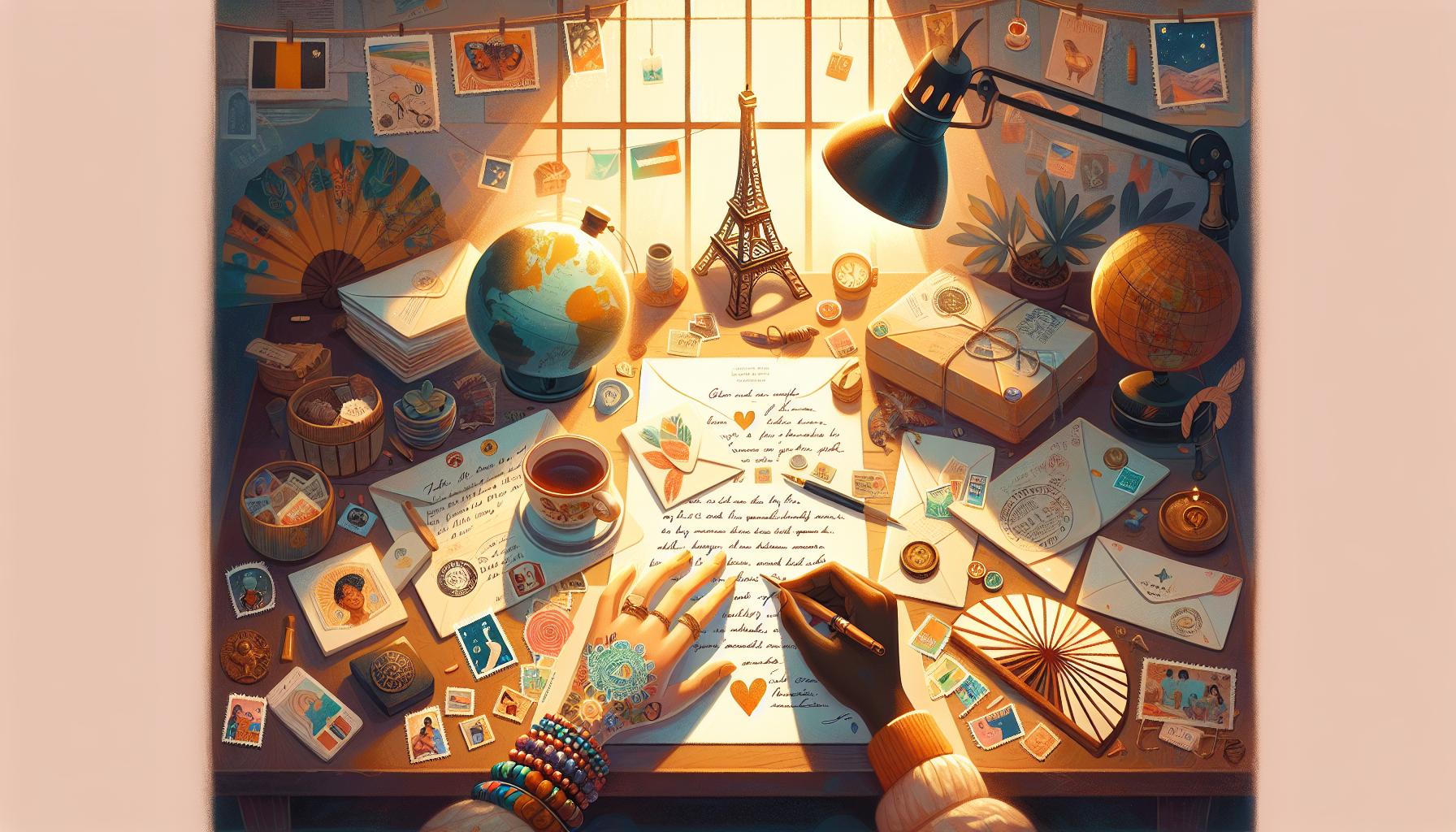
Tips for Writing Engaging Letters to a Pen Pal
Creating engaging letters is a delightful way for kids to connect with their pen pals and share their world. The letter-writing process shouldn’t feel daunting; instead, it should sparkle with joy and curiosity. Encourage your child to think of their pen pal not as a distant friend but as someone with whom they can share stories, experiences, and imaginations. The secret lies in a sprinkle of creativity and a dash of genuine connection.
To write captivating letters, children can start with personal anecdotes. Sharing a recent experience, like a school field trip or a family outing, can make their letters relatable and exciting. For instance, they could describe a hilarious moment during a class play or an unexpected adventure at the park. Such stories invite questions and further conversation, deepening the friendship. Additionally, incorporating questions throughout the letter is important. Simple prompts like “What’s your favorite game to play at recess?” or “Have you ever seen a snowman?” can keep the dialogue flowing and encourage replies from their pen pal.
Another fun aspect is to introduce themed letters. Kids can choose to focus on different topics each time they write. One week could be about their hobbies, another about their favorite books or movies. This not only keeps the correspondence fresh and engaging but also allows them to explore different aspects of their lives in detail. Remind kids to include little drawings or stickers; these visual elements add a personal touch and can brighten the recipient’s day. Children could even create a small comic strip in their letters, showcasing a funny incident or an imaginary adventure.
Lastly, remind your child of the importance of self-expression. Encourage them to be themselves, share their thoughts, and express feelings honestly. They can describe their dreams, emotions about a recent change, or even their opinions on school lunches with a light-hearted tone. This openness builds trust and creates a deeper bond over time. By blending storytelling, questions, themes, and personal touches, kids can look forward to their pen-pal correspondence as a special adventure filled with laughter and learning from each other’s lives.
Ensuring Safe Communication: Protecting Your Child Online
Establishing an enriching pen pal relationship can be a rewarding experience for children, but ensuring their safety in communication should always come first. As digital connections grow, parents must equip their kids with the tools to navigate these relationships securely. Setting boundaries and guidelines from the start can foster a safe and enjoyable environment for your child to express themselves and learn about others.
Begin by discussing the importance of privacy. Teach your child to avoid sharing personal information such as their full name, home address, phone number, school name, or any details that could identify them in person. Instead, focus on sharing creative aspects like hobbies, likes, and experiences that don’t compromise their safety. Setting clear guidelines about what is appropriate to share can empower your child to communicate confidently while navigating their new friendship.
Monitoring communication is another vital step. Regular check-ins about their correspondence can reassure you and provide an opportunity for children to share exciting updates or any concerns they might have. Engaging in discussions about their letters helps reinforce the understanding that while their pen pal is a friend, the relationship is still new and should be approached with modesty and awareness.
Using trusted platforms is crucial. Look for pen pal programs that emphasize child safety. Many organizations offer supervised communication environments designed specifically for younger users, ensuring that exchanges are monitored. Programs like these often provide guidelines on age-appropriate content and activities, allowing children to connect with peers around the globe without compromising their safety.
Encouraging your child to report any uncomfortable feelings or inappropriate messages will also build their trust in you. Remind them that their safety is paramount, and they should never feel pressured to reply to any message that makes them uncomfortable. This open line of communication not only protects them but also enhances their overall experience as they embark on their journey of pen pal friendship.
By focusing on these foundational principles, children can explore the joys of pen pal correspondence safely and with confidence, exploring friendships that may last a lifetime. Nurturing their excitement while instilling safety measures creates an enriching space for cultural exchange and personal growth.
Exploring Cultural Exchange Through Pen Pals
The magic of pen pals lies in the opportunity to bridge distances and cultures, fostering a rich exchange of ideas and experiences. When children connect with peers from different parts of the world, they not only learn about diverse cultures but also gain a deeper understanding of their shared humanity. Sending letters filled with stories about local traditions, holidays, and everyday life can ignite curiosity and empathy, allowing kids to explore perspectives that differ from their own.
Encouraging your child to ask open-ended questions in their letters enhances this cultural dialogue. For instance, they might inquire about a favorite local dish or what school life is like for their pen pal. This not only facilitates engaging conversations but also helps children articulate their thoughts and express curiosity about the world around them. Sharing photos or drawings can also enhance this experience, as visual elements often convey emotions and stories that words alone cannot capture.
To enrich these cultural exchanges, families can incorporate themed activities that align with their pen pal correspondence. For example, if your child learns about a holiday celebrated by their pen pal, they could create a small craft that symbolizes it or even cook a recipe inspired by that tradition. This not only deepens their connection with their pen pal but also allows for a hands-on learning experience that encompasses culinary, artistic, and cultural dimensions.
It’s essential to remember that safety should always accompany these enriching experiences. Encourage your child to prioritize respect and openness while navigating these new friendships. Participate by discussing the content of their letters, ensuring that communication is healthy and enlightening. By fostering these connections, children can develop a greater appreciation for the world’s diversity, nurturing friendships that might last a lifetime and creating lasting memories through the art of letter writing.
Fun Activities to Enjoy with Your Pen Pal
Connecting with a pen pal can open up a world of creativity and fun for your child. Engaging in playful and interactive activities helps to solidify friendships and creates memorable experiences that go beyond simple letter writing. Here are some creative ideas that can turn correspondence into exciting exchanges filled with joy and learning.
Creative Craft Projects
Encourage your child to create crafts that can be shared through the mail. They might design a friendship bracelet, paint a postcard, or make a handmade bookmark. These tangible items add a personal touch to communication and provide opportunities to discuss the process in their letters. For instance, if they’re sending a craft inspired by their pen pal’s local culture, they can explain its significance, enhancing cultural understanding.
Fun Challenges and Games
Start a friendly challenge that can be documented through letters. For example, they could create a drawing challenge where each letter contains a new piece of artwork, building on the previous one. Alternatively, a “secret code” game can be established, where each letter contains a coded message that the recipient must decode. This makes reading and responding to letters more interactive and engaging.
Recipe Exchanges
Food is a universal connector, so why not promote cooking together, even from a distance? Your child can share a simple, favorite recipe and ask their pen pal to try it out. They can even send a photo of their culinary creation. This not only inspires discussions about cooking habits and local dishes but also allows each child to share a piece of their culture through food.
Cultural Discovery Sessions
Set aside time for your child to research their pen pal’s culture or country and share their findings in letters. They can learn about local holidays, traditional music, or unique festivals, and then propose a themed night-like a movie night featuring films from their pen pal’s country-which they can write about together. This fosters a deeper connection and shared exploration of their worlds.
By introducing these fun activities, your child not only enhances their writing skills but also builds a meaningful, lasting relationship with their pen pal. Engaging in these creative ways helps keep the correspondence fresh and adds layers of cultural understanding, making each exchange an adventure waiting to be discovered.
How to Encourage Your Child’s Self-Expression
Encouraging your child to express themselves through pen pal correspondence is a wonderful way to foster creativity, confidence, and cultural understanding. When children write letters to their pen pals, they’re not just sending words on paper; they’re sharing their thoughts, feelings, and experiences in a meaningful way. This exchange can be a delightful journey where they learn to articulate their personalities while building a bridge to someone in a different part of the world.
To start, it’s essential to create a space where your child feels comfortable and inspired to share. Begin with fun prompts or themes for their letters-like “Describe your favorite holiday tradition” or “What does your dream vacation look like?” These questions can spark their imagination and encourage them to write freely. Encourage your child to include drawings, photos, or small souvenirs in their letters. These additions not only make the correspondence more personal but also serve as a fun way for your child to express their creativity. Let them know that it’s perfectly fine to share their hobbies or interests, whether it’s a love for dinosaurs or an obsession with crafting.
Building Confidence in Communication
As pen pal communication continues, your child will begin to develop their voice. Remind them that it’s okay to share their thoughts and feelings authentically. They might feel nervous about what to say, but reassure them that their pen pal is eager to learn about them, too. Share examples of what you loved writing about when you were young, or create a shared experience by writing a letter of your own, then discussing it together. This not only normalizes the writing experience but also illuminates the joy of personal expression.
Encouraging Mutual Curiosity
Teach your child to ask open-ended questions in their letters to nurture a two-way dialogue. Questions like, “What is your favorite book and why?” or “Can you tell me about a local food you love?” encourage their pen pals to share stories of their own, fostering a deeper connection. By showing curiosity about their pen pal’s life, your child can practice active listening and engagement, crucial skills in building friendships.
In the end, remind your child that the beauty of having a pen pal lies in discovering the uniqueness of another person’s world while sharing their own journey. Each letter is a chance to celebrate individuality, explore ideas, and foster a friendship that transcends distance. By cultivating an environment of support, creativity, and curiosity, your child can confidently express themselves and form lasting connections.
Maintaining Long-Distance Friendships: Best Practices
Maintaining a pen pal friendship across distances can be an enriching experience for children, but it also requires thoughtful approaches to ensure that the connection remains strong and meaningful. To help your child navigate this journey, start by encouraging them to establish a routine. Regular exchanges of letters, whether weekly or bi-weekly, keep the dialogue flowing and foster a sense of commitment. Setting aside specific times for writing can create anticipation and give structure to the correspondence, making it feel like a special event.
Building upon this foundation, remind your child to be open and genuine in their conversations. It’s important for them to share small updates about their daily lives, interests, and even challenges. This transparency builds trust and allows both pen pals to feel more connected. Encourage them to ask their pen pal about their own experiences, ensuring that communication is reciprocal. Posing questions about cultural differences, favorite activities, or current events can spark deeper discussions and help them learn about each other’s backgrounds in an engaging way.
Another effective method for maintaining the friendship is through the sharing of creative projects. Suggest ideas like collaborating on a story, exchanging drawings, or even sending each other small tokens of creativity, such as a playlist of favorite songs or a photo album from a local event. These shared experiences can strengthen their bond and create lasting memories.
Lastly, instill in your child the importance of recognizing and respecting the boundaries of their pen pal. Remind them to keep conversations respectful and considerate, promoting a positive environment where both feel comfortable sharing. By nurturing these connections with care and creativity, your child can cultivate a long-lasting friendship that transcends distance, fostering understanding and joy through the simple act of letter writing.
Setting Up a Pen Pal Schedule That Works
Establishing a pen pal schedule can transform letter writing from a casual activity into an enriching routine that your child looks forward to each week. Imagine the excitement of receiving a handwritten letter-this ritual can foster anticipation and provide a structured way for your child to express themselves while learning about another person’s life and culture. Start by determining a comfortable writing frequency based on both pen pals’ schedules. For younger children, a monthly letter can feel special, while older kids might enjoy more frequent exchanges, such as bi-weekly or weekly correspondence.
To make this process smooth and engaging, consider setting aside specific days and times dedicated to writing together. Create a Pen Pal Day tradition, where both your child and their pen pal look forward to sharing updates and stories. This could involve writing letters over the weekend, followed by a fun family activity relating to what they’ve discussed, like cooking a dish from each other’s culture. Engaging in such activities encourages anticipation and reinforces the importance of their correspondence.
Additionally, use a visual calendar to help your child keep track of their writing days and any special events or holidays that might inspire their letters. Marking these significant dates can be both exciting and motivating. Make writing a family affair-involve siblings or even join in and write your own letters to your child’s pen pal, fostering a sense of community and shared joy.
Another way to enhance the pen pal exchange is to incorporate creative prompts or themes for each letter. Perhaps one week could focus on favorite books, while another could ask for funny anecdotes or cultural traditions. This not only adds variety to their communication but also encourages deeper conversations and self-reflection. By crafting a thoughtful writing schedule, you’re not only helping your child develop literacy skills but also nurturing their curiosity and understanding of the world around them.
The Benefits of Having a Pen Pal for Kids
Engaging with a pen pal can be a transformative experience for children, offering them a gateway to a world filled with friendship, cultural exchange, and personal growth. As kids navigate their unique journeys through letter writing, they not only connect personally with someone from a different background, but they also cultivate essential life skills.
Writing letters encourages children to practice their writing in a fun and meaningful context. Each letter becomes a chance for them to creatively express their thoughts and feelings, improving their literacy through practice. They’ll learn to structure their messages, experiment with language, and even expand their vocabulary while doing something they genuinely enjoy. This can boost their confidence immensely as they realize the impact of their words.
Moreover, having a pen pal fosters empathy and cultural awareness. By corresponding with someone from a different country or culture, children gain insights into diverse lifestyles, traditions, and viewpoints. This exposure can help them develop a broader perspective of the world, sparking curiosity and encouraging them to ask questions about different customs and practices. For instance, a child might discover how holidays are celebrated differently or what types of food are common in their pen pal’s country, leading to exciting discussions and shared learning moments.
Additionally, these connections can enhance social skills by teaching children the value of patience and commitment. Waiting for a response can cultivate anticipation and teach them about the importance of thoughtful communication. This exchange isn’t just about sharing facts; it’s about building a rapport and strengthening bonds across distances. Pen pals can become lifelong friends, offering support, understanding, and the joy of shared experiences despite physical separation.
In summary, having a pen pal can greatly enrich a child’s life by enhancing their writing skills, fostering cultural appreciation, and developing vital social skills. As they embark on this adventure, they’ll not only discover the joys of friendship but also gain valuable lessons that will serve them throughout their lives.
Finding the Right Match: Age and Interests Matter
Finding the perfect pen pal for your child can feel like a delightful treasure hunt, filled with the promise of new friendships and meaningful exchanges. A great match hinges on aligning interests and age, which not only increases the chances of engaging correspondence but also makes the entire experience more enjoyable and fulfilling. When children connect with pen pals who share similar hobbies, passions, or life stages, they cultivate a sense of camaraderie that enhances their communication and understanding of one another.
To start this journey, consider your child’s interests. Does your child love animals, art, or perhaps a specific sport? Look for pen pal programs that allow you to filter potential matches based on these shared interests. For example, if your child is an enthusiastic soccer fan, finding a pen pal who shares this interest can spark conversations not only about their favorite teams but also about games they play and dreams they have around their favorite sport. Such common ground can lead to vibrant dialogues filled with questions and shared experiences, enriching their letter-writing adventure.
Age also plays a crucial role in fostering a rewarding pen pal relationship. The dynamics of correspondence can shift significantly based on age groups; younger children may enjoy simple drawings and short notes, while older kids might delve into deeper topics or discuss their school projects. Establishing a match that considers developmental stages ensures that both children feel understood and can engage meaningfully. For instance, a ten-year-old might have a blast exchanging fun facts about their favorite cartoons with another child of the same age, while a teenager might appreciate discussing current events or books they’re reading.
When searching for a pen pal, prioritize safety by utilizing trusted pen pal programs that conduct background checks and offer a supportive environment. Many online platforms cater specifically to children’s needs, ensuring that their experiences are both safe and enriching. Encourage your child to express themselves and gradually reveal more personal interests, creating a natural flow of conversation that allows their friendship to grow organically. This approach fosters mutual curiosity, building trust and connection that can last a lifetime.
As they embark on this pen pal journey, remind your child that the most rewarding friendships often start with shared laughter over silly stories or heartfelt exchanges about their favorite hobbies. With a little patience and creativity, the right match can turn into an invaluable friendship characterized by joy, learning, and a broadened worldview.
Real-Life Success Stories of Meaningful Pen Pal Connections
Building meaningful connections through pen pal exchanges can lead to transformative experiences for children. Consider the story of two ten-year-old girls, Emma from California and Aisha from Kenya, who met through a trusted pen pal program. Initially hesitant, they exchanged introductions that included their favorite animals. Emma loved horses, while Aisha was passionate about lions. Through their letters, they not only shared stories about their pets but also cultural insights about their communities and traditions. As their correspondence blossomed, they began to write not just about animals but also about their dreams and aspirations, turning their relationship into a beautiful friendship that transcended continents.
Another inspiring example involves a boy named Lucas from Australia and a girl named Mia from Brazil. They were both avid soccer fans and quickly bonded over their love for the sport. Their letters became home to enthusiastic match summaries, player discussions, and even shared challenges about their skills. They eventually decided to create a joint project where they designed a digital scrapbook filled with their favorite soccer memories, illustrations, and strategies. This collaborative effort not only strengthened their friendship but also sparked a creative exchange that brought global perspectives on sports and teamwork into their conversations.
Through these stories, we see the profound potential of pen pal programs. They not only foster friendship but also promote empathy and understanding among children from diverse backgrounds. Encouraging your child to share their unique hobbies, interests, and experiences will create a safe space for personal growth and mutual learning. As they write back and forth, watching their pen pal friendship flourish can be as rewarding for you as it is for them. Emphasizing safety, guided exchanges, and a supportive environment will ensure that their journey into pen pal connections is both enriching and secure. By sharing their thoughts and passions, children can cultivate enduring friendships that deepen their appreciation of the world’s vastness and diversity.
FAQ
Q: How can I ensure my child has a safe penpal experience?
A: To ensure your child’s safety while penpalling, choose platforms specifically designed for kids with strict privacy controls. Monitor communication regularly and encourage your child to share any uncomfortable experiences. Educating them about not sharing personal information is vital for their protection.
Q: What age is appropriate for children to start having penpals?
A: Children aged 8-10 are typically ready to begin penpalling, as they possess the reading and writing skills necessary for meaningful exchanges. Consider their maturity level and ability to understand online safety when deciding the right age for your child.
Q: Where can I find reputable penpal programs for children?
A: Reputable penpal programs for children can be found on websites like PenPalk.com and InterPals, which focus on safe connections for kids. Research each program’s safety features and user reviews before signing up to ensure a positive experience.
Q: How do I help my child choose a good penpal?
A: Help your child choose a penpal by considering common interests, hobbies, and language skills. Platforms like InterPals allow filtering by age and interests, making it easier to find a compatible match that engages your child in enjoyable correspondence.
Q: What should my child write in their first letter to a penpal?
A: Encourage your child to introduce themselves with their name, age, and hobbies. They can ask engaging questions about their penpal’s interests and culture, fostering a fun start to their correspondence while making the experience interactive and interesting.
Q: What should I do if my child feels uncomfortable with their penpal?
A: If your child feels uncomfortable, reassure them that it’s okay to stop communicating with their penpal. Discuss the specific reasons for their discomfort and encourage them to share these feelings with you. Always prioritize your child’s emotional well-being in penpal relationships.
Q: Can penpals help improve my child’s language skills?
A: Yes, having a penpal can significantly improve your child’s language skills. Regular writing fosters better grammar, vocabulary, and comprehension. Encourage your child to practice new words or phrases learned from their penpal’s letters to enhance their language development.
Q: What activities can my child do with their penpal beyond letter writing?
A: Encourage your child to share photographs, drawings, or postcards and even collaborate on creative projects like story writing or art challenges. These activities can deepen their connection and make the penpal experience more interactive and fun. Consider referencing the section on fun activities in your article for more ideas.
Concluding Remarks
Finding a pen pal for your child is not just about exchanging letters; it’s a wonderful gateway to fostering friendship, cultural understanding, and creativity. As you embark on this journey, remember the value of safety and fun-prioritize platforms that ensure a secure environment for your little one to connect with others. If you’re ready to nurture that special relationship, explore our recommended pen pal platforms today and take that exciting first step!
For more tips on crafting engaging letters and maintaining a great pen pal relationship, check out our articles on creative letter ideas and pen pal etiquette. Join our community by subscribing to our newsletter for ongoing advice and inspiration. Your child’s pen pal journey awaits-let’s make it memorable together! Don’t forget to share your experiences in the comments below; we’d love to hear from you!


