


In today’s digital age, finding a pen pal can open a world of meaningful connections for your child, fostering friendship and cultural exchange. Whether your child is looking to practice a new language, share their daily adventures, or simply make a friend from another country, the art of penmanship has evolved into exciting online platforms that cater to these needs.
However, as parents, it’s natural to have concerns about your child’s safety in online interactions. This guide will explore safe digital pen pal platforms designed specifically for young users, ensuring they can learn and grow while making friends across the globe. With the joy of personal storytelling and letter writing, your child can build confidence, empathy, and understanding of diverse cultures. Join us as we dive into the best practices for finding the perfect pen pal!
Choosing the Right Penpal Platform for Your Child
Choosing the right platform for your child to find a pen pal can significantly enhance their experience and ensure their safety. With the abundance of online resources available, it might feel overwhelming to sift through options. However, focusing on platforms specifically designed for youth is essential. These platforms often implement strict safety measures and create a friendly environment, fostering positive connections. For instance, Penpal-Gate is a prominent choice, known for prioritizing user safety and creating an environment geared towards genuine exchanges between individuals of all ages, including children [[2]].
When exploring a suitable pen pal platform, consider the following tips to ensure it’s a good fit for your child:
- Safety Features: Look for platforms that require account verification and have monitoring systems in place to safeguard conversations.
- User Community: Review the user demographics to ensure your child will interact with peers rather than adults, which can help maintain comfort levels.
- User Guidelines: A solid platform will have clear rules about communication, encouraging respectful dialogue and providing resources for conflict resolution.
- Interactive Features: Some platforms offer fun activities like writing prompts or games that can enhance the pen pal experience and make writing letters more engaging.
Moreover, involve your child in the decision-making process. Discuss what they expect from a pen pal and what interests them. This way, your child will not only feel empowered but also more invested in the letter-writing journey. Choosing the right environment allows them to forge meaningful connections, develop their writing skills, and learn about different cultures-making the adventure of pen pal correspondence a truly enriching experience.
Understanding the Benefits of Having a Penpal
In a world that’s becoming increasingly digital, the charm of connecting through handwritten letters remains a delightful experience that can have profound benefits for your child. Having a pen pal encourages personal growth and cultivates valuable skills, all while forming authentic friendships that can cross borders and cultures. Each letter exchanged acts as a window into another’s world, sparking curiosity and a genuine desire to learn more about diverse perspectives.
One of the most significant advantages of having a pen pal is the opportunity for language and writing development. As children engage in regular correspondence, they enhance their writing skills-grammar, spelling, and expression take center stage as they craft their letters. Moreover, writing to someone who may speak a different language or dialect encourages the exploration of new vocabulary, making learning a fun and interactive experience. Fostering such communication can boost their confidence in expressing themselves and articulating their thoughts and feelings.
Beyond linguistic benefits, the exchange fosters empathy and cultural exchange. Children often share details about their lives, traditions, and local customs within their letters, allowing them to gain insight into global diversity. This understanding can encourage open-mindedness and acceptance, essential qualities in today’s interconnected world. Through the eyes of a pen pal, your child can experience the richness of various cultures, which can inspire them to become global citizens.
Additionally, the act of writing to someone regularly can instill patience and anticipation, two vital traits that often get lost in our fast-paced lives. Unlike instant messaging or emails, letter writing requires time and thoughtfulness, teaching children the value of deliberate communication. The wait for a response can create excitement and anticipation, making each letter received feel like a special gift. This slower pace of correspondence nurtures a deeper sense of connection, allowing relationships to develop organically over time.
Ultimately, having a pen pal can be an enriching adventure for your child, blending joy, learning, and friendship into a singular experience that bridges distances and ignites curiosity. It’s an opportunity to cultivate connections that are as meaningful as they are enjoyable, laying the groundwork for lasting relationships and invaluable life lessons.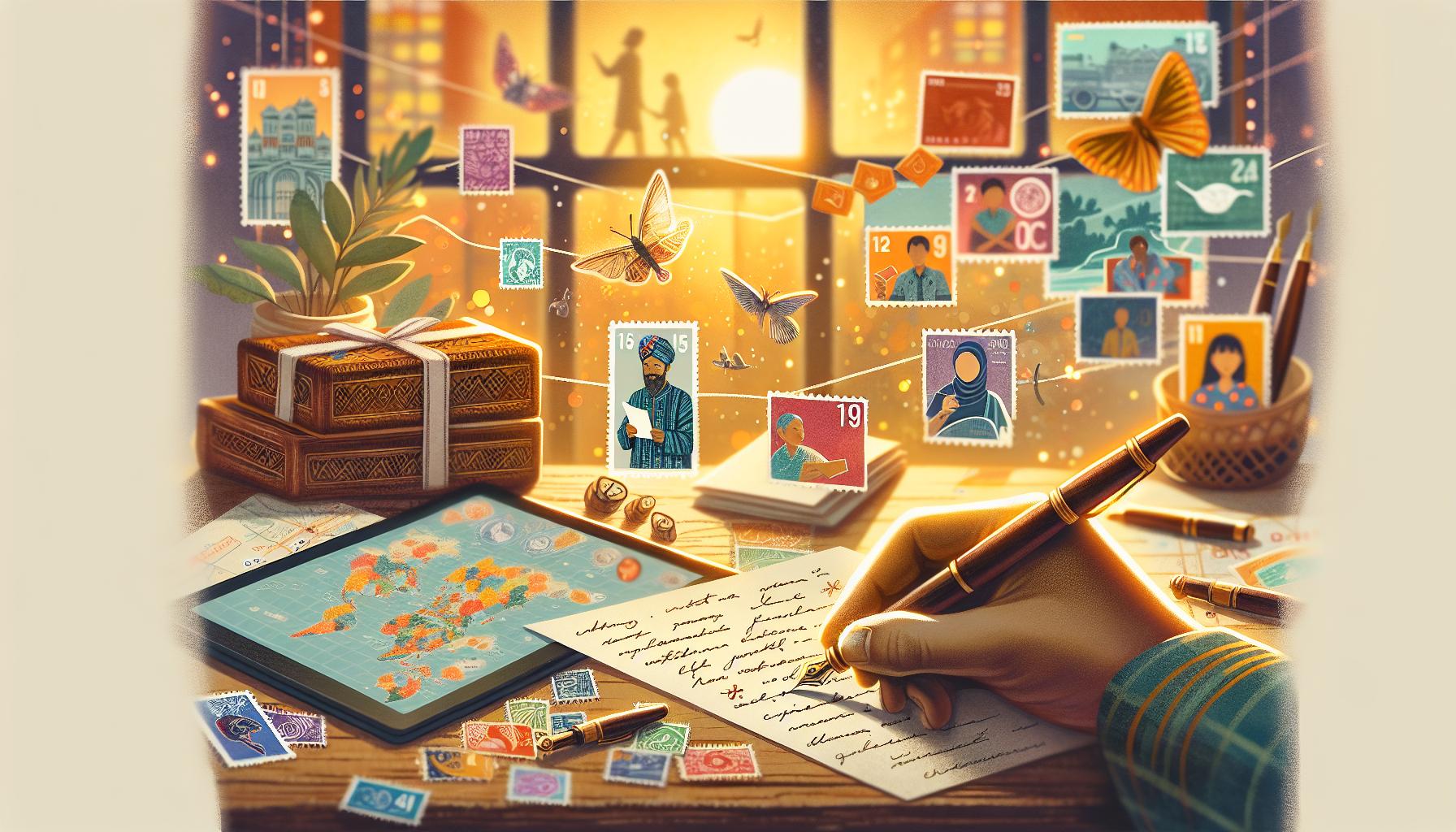
How to Ensure Online Safety for Your Child
In today’s interconnected world, the excitement of discovering a new pen pal from afar can be both rewarding and nerve-wracking for parents. Online platforms offer an amazing avenue for kids to build friendships across borders, but it’s crucial to safeguard their interactions. By prioritizing safety, you can help create a positive and secure pen pal experience while allowing your child to explore new connections.
One of the first steps to ensure your child’s safety is to select reputable pen pal platforms specifically designed for younger users. Look for platforms that prioritize privacy, such as those that do not require full names, addresses, or personal contact information. For instance, platforms like PenPal School and Love Mail create a controlled environment where kids can interact with guidance from the site’s moderators, keeping unwanted elements at bay [2].
Additionally, open communication about online interactions is essential. Encourage your child to discuss their pen pal experiences with you regularly. Explain the importance of keeping personal information private and establish boundaries for what information can be shared. You might suggest they talk about their favorite hobbies, pets, or favorite books, but to refrain from sharing sensitive details like their school name or personal phone numbers. This can not only enhance their communication skills but also foster trust, making them feel more comfortable sharing their online experiences with you.
It’s also beneficial to establish ground rules for digital correspondence. Encourage your child to respect their pen pal’s privacy as well, reinforcing the idea that they must treat their pen pal with kindness and care. Regularly reviewing these guidelines helps keep your child aware of potential red flags, such as receiving messages that make them uncomfortable or suspicious. By nurturing a sense of safety and awareness, you prepare them to navigate their pen pal relationships with confidence, cultivating both friendships and the valuable ability to gauge online interactions critically.
By taking these proactive measures, you empower your child to enjoy the wonders of pen pal communication while ensuring they can engage safely and respectfully. This not only enhances their writing skills and cultural understanding but also lays the foundation for solid, trusting relationships that can flourish in this digital era.
Crafting an Engaging Introduction for a Penpal
Creating a captivating introduction for a pen pal can set the tone for a rich and rewarding exchange that sparks curiosity and friendship. Think of the first letter as an opportunity for your child to showcase who they are while inviting their new friend to share in the adventure of getting to know each other. A warm and engaging opening can make all the difference in establishing a connection, so here are some practical tips and creative ideas to help your child craft an introduction that resonates.
Start with a friendly greeting that reflects your child’s personality. A simple “Hi! I’m [Name]!” can go a long way, but adding a little flair, like “Greetings from the colorful world of [Your Hometown]!” might just make the opening more memorable. Following the introduction with a brief personal story or fun fact can also be captivating. They might share an interesting hobby, such as “[I love collecting stamps from different countries]” or “[One of my favorite activities is exploring nature with my dog, Rocky!]”. This not only gives the pen pal a glimpse into your child’s life but also invitations for shared interests.
Next, encourage your child to ask questions. A curious mind fosters engagement, and asking their pen pal about their life can create instant common ground. Simple queries like “What’s your favorite sport?” or “Do you have any pets?” open the door for dialogue and let the pen pal know your child is eager to learn more about them. Plus, it gives the other child a chance to share about themselves, creating a cycling of questions and information that enriches the burgeoning relationship.
Finally, remind your child to keep the introduction respectful and inclusive. Highlight the importance of being positive and open-minded about differences. They might say something like, “I’m excited to learn about your culture! What’s something special about where you live?” This not only makes for a more interesting conversation but also encourages cultural exchange, nurturing a deeper understanding and appreciation of each other’s backgrounds.
By combining warmth, curiosity, and respect, your child can create an engaging and inviting introduction that lays the groundwork for a meaningful pen pal partnership. With each letter exchanged, friendships can blossom, bridging distances and fostering connections that celebrate the beauty of communication across borders.
Fun Letter Writing Ideas for Kids
Encouraging kids to dive into the wonderful world of letter writing can be an exciting journey filled with creativity and self-expression. With pen pal exchanges becoming a fantastic way to connect with peers across the globe, coming up with fun and engaging ideas for letters can spark joy and curiosity. Here are some delightful letter writing ideas that will inspire your child to bring their personality and experiences to the page while forging meaningful connections with their pen pals.
Creative Themes to Explore
One way to keep the excitement alive in pen pal correspondence is to explore different themes for each letter. Encourage your child to focus on their interests or what they are currently passionate about. For example:
- My Favorite Adventure: Have your child write about a recent hike, a trip to a museum, or a special event they attended, using vivid descriptions to transport their pen pal into the experience.
- Recipe Swap: Encourage your child to share a favorite recipe, perhaps a family tradition, and ask their pen pal for one of theirs in return.
- Bucket List: Invite your child to share their bucket list items. They could include things like traveling to a specific country or learning a new skill and invite their pen pal to share theirs.
Fun and Interactive Content
Making letters interactive can create a delightful experience and encourage creativity. Here are some suggestions:
- Draw and Share: Your child can include hand-drawn illustrations, doodles, or even photographs of places they’ve been. These visuals can help bridge gaps and add a personal touch.
- Quizzes and Games: Your child can create a simple quiz about their favorite movies, music, or hobbies. For instance, “Guess which movie I watched 5 times!” This offers an engaging way for both kids to learn more about each other.
- Letter Challenges: Initiate a friendly challenge where each pen pal sends something unexpected. For example, one letter could feature a “create a new superhero” idea, and the next can elaborate on that theme.
These interactive elements inspire children to express their creativity while keeping their correspondence lively and engaging. By focusing on fun themes and adding layers of playfulness to their letters, kids can form deeper connections with their pen pals, enjoying the letter writing experience to its fullest.
With these engaging ideas, your child will not only develop writing skills but also build a cross-cultural dialogue that fuels their curiosity and understanding of the world. Each letter becomes a new adventure, deepening friendships and celebrating the joy of connecting with others.
Tips for Maintaining a Healthy Penpal Relationship
Building and maintaining a healthy penpal relationship can be a delightful journey for your child, fostering not only their writing skills but also their ability to connect with individuals from diverse backgrounds. One effective way to nurture this relationship is by encouraging regular communication. Setting a schedule for when letters are exchanged can enhance anticipation and help both children understand the value of staying in touch. For instance, if they agree to write every two weeks, both kids will look forward to sharing new experiences and updates, which can help deepen their friendship over time.
Another key aspect of a thriving penpal relationship is mutual respect and understanding. Encourage your child to take an interest in their penpal’s culture, stories, and hobbies. This openness can create a warm environment for sharing and enhancing their friendship. When they ask engaging questions about their penpal’s daily life or traditions, it not only sparks conversations but also demonstrates genuine curiosity and respect. You might suggest including questions like, “What are your favorite local snacks?” or “How do you celebrate holidays in your country?” This exchange can lead to fascinating discussions and shared experiences between your child and their penpal.
Emphasizing the importance of kindness and positive communication is essential. Remind your child to express gratitude for the letters they receive and to share compliments or positive feedback about their penpal’s letters. A simple phrase such as, “I loved your drawing!” can go a long way in making the penpal feel appreciated and valued, reinforcing the sense of connection. Additionally, it might be helpful to talk about handling disagreements or misunderstandings gracefully, encouraging your child to approach conflicts with a problem-solving mindset instead of letting them escalate.
Lastly, remind your child that while sharing personal stories is important, they should always prioritize their safety. Encourage them to maintain appropriate boundaries about what they disclose, ensuring that any sensitive information, such as addresses or full names, remains private. With these practical tips, your child can cultivate a joyful and rewarding penpal experience, enriching their understanding of the world while building meaningful connections that can last a lifetime.
Exploring Cultural Exchange Through Penpals
In a world brimming with diverse cultures and traditions, penpals offer a unique opportunity for children to explore and celebrate that diversity right from their homes. When your child connects with a penpal from a different country, it opens the door to engaging discussions about customs, languages, and daily life experiences. This live exchange fosters a genuine understanding and appreciation of cultural differences, sparking curiosity that extends beyond the classroom.
Encouraging your child to share specific aspects of their own culture can create a meaningful dialogue. For instance, they might write about local festivals, traditional foods, or unique hobbies prevalent in their community. In turn, their penpal can reply with insights into their own cultural practices, enriching your child’s perspective on the world. Prompts like “What’s your favorite holiday and how do you celebrate it?” or “Can you tell me about a traditional dish you enjoy?” can facilitate these conversations, providing a fun and engaging way for your child to learn and connect.
Additionally, utilizing multimedia can enhance the cultural exchange experience. Encourage your child to include pictures of their surroundings, drawings depicting their favorite local spots, or even recipes for traditional dishes. These personal touches not only make their letters more interactive but also invite their penpal into their world, fostering a deeper connection. They can also exchange small cultural items, like postcards or local stamps, which adds an exciting tactile element to their correspondence.
By engaging in this cultural exploration, children develop empathy and a broader worldview. They learn that while each culture is unique, shared human experiences unite us all. This understanding nurtures friendships that transcend geographical boundaries, teaching children not only about different customs but also about the beauty of human connection in our increasingly globalized society. As your child embarks on this penpal journey, remind them that such exchanges enrich their lives and enhance their communication skills, making them more open-minded and confident global citizens.
Signs Your Child is Engaging Safely Online
When your child begins their journey of connecting with penpals online, it’s natural to wield a magnifying glass over their activities. Ensuring their safety while they explore this exciting avenue is paramount. Fortunately, there are several clear signs that can illustrate whether your child is engaging safely in the digital penpal world, allowing you to foster a supportive environment while they enjoy their new friendships.
One of the most encouraging indicators is that your child is open about their online interactions. If they frequently share stories about their penpal, the content of their letters, and what they’ve learned through their exchanges, it demonstrates a level of comfort and trust in communicating with you. Encouraging this openness sets a strong foundation for ongoing discussions around online safety.
Additionally, observe how your child handles personal information. They should understand the importance of keeping sensitive details, such as their home address or phone number, private. If they express awareness about what they can share and what should remain confidential, it’s a good sign they are equipped with the right knowledge to navigate online connections sensibly. You might encourage them to instead share fun facts about their hobbies, interests, or favorite foods and foster curiosity with their penpal.
Another positive sign is their engagement with the penpal platform’s safety features. Many reputable platforms for finding penpals, like InterPals or Penpal Hub, offer guidelines on how to connect safely. If your child is aware of and utilizes these features-such as privacy settings or reporting tools-they demonstrate an understanding of creating a safe digital space for themselves.
Lastly, if your child can articulate any discomfort or suspicious behavior they encounter, it signals that they are developing the critical thinking skills necessary to navigate online relationships. Encourage them to speak up about anything that feels off, reinforcing that their safety and well-being always comes first. By cultivating these principles of safety and communication, you can help nurture a rewarding penpal experience that enriches your child’s understanding of the world while keeping them secure.
Managing Expectations and Communication Timelines
Navigating the world of penpals can be a thrilling experience for your child, but it’s important to set realistic expectations about communication timelines. Kids often get excited about connecting with someone new and may anticipate immediate responses. However, practical realities can vary greatly, especially when connecting with penpals from different countries, cultures, or time zones. Understanding these nuances can enhance their penpal experience and foster patience and appreciation for the art of letter writing.
To help manage your child’s expectations, you might want to discuss the potential timeline of exchanges. Explain that while the speed of electronic communication is immediate, traditional penpal relationships often thrive on the beauty of waiting for letters to arrive. For instance, international mail might take anywhere from a week to several weeks to deliver. In contrast, responses may be delayed due to differing schedules, holidays, or personal commitments. Encouraging your child to embrace this aspect can transform impatience into excitement-waiting for that special letter can heighten the storytelling experience!
To enhance communication, consider establishing a flexible routine. Here are a few tips to guide your discussions:
- Set realistic timelines: Discuss and agree on how often letters will be exchanged. Will it be weekly, bi-weekly, or monthly? This gives your child a framework to understand when to expect replies.
- Encourage patience: Remind them that great things take time! Waiting can enhance the joy of receiving a letter. You can share your own anecdotes about waiting for letters or packages as a child.
- Include creative prompts: If there’s a long wait for a response, encourage your child to send a postcard or a short note to keep the communication flowing.
Understanding that delays are a normal part of letter writing can help your child develop patience and resilience. Reinforce the importance of sending thoughtful, engaging letters that invite responses, fostering an environment of curious engagement rather than discouragement. When they do receive a letter back, it will feel like a small celebration, reminding them that good things come to those who wait. This rhythm cultivates deeper connections and lays the groundwork for meaningful friendships that transcend borders and cultures. As they dive into this enriching experience, they’ll not only learn about the joys of communication but also about the beauty of building relationships over time.
How to Handle Concerns or Issues with Penpals
Navigating the world of pen pals offers wonderful opportunities for connection, but it can come with challenges and concerns that need addressing, especially when your child is becoming acquainted with their first pen pal. Being proactive and prepared fosters both a reassuring environment and an enriching experience for both you and your child.
If your child encounters any issues with their pen pal, the first step is encouraging open communication. Have regular check-ins to discuss their feelings about the correspondence. Ask about their experiences and if they have noticed anything that makes them uncomfortable. Creating a safe space for these conversations not only builds trust but also equips you to address any potential concerns before they escalate.
In the event that something seems amiss-be it a change in tone of the letters, inappropriate topics, or pressure to share personal information-assure your child that it’s perfectly okay to step back or even terminate the exchange. Emphasize that their safety comes first. If necessary, assist them in blocking or reporting their pen pal on the platform being used, as reputable pen pal websites often include safeguarding tools for such situations.
For ongoing reassurance, consider establishing guidelines together about what to share and what to keep private. These can include specifics such as avoiding personal details like their home address, phone number, or school information. Use this as a teaching moment about maintaining boundaries while still enjoying the joy of sharing thoughts and experiences.
Additionally, familiarize yourself with the platform your child is using. Most well-structured pen pal platforms offer resources and support specifically for parents to help them monitor interactions. Engage with the community and utilize these resources to stay informed about best practices, ensuring a safer and more enjoyable pen pal experience for your child. Remember, every concern is valid, and addressing them promptly can shape your child’s confidence while connecting with the world!
Encouraging Self-Expression in Penpal Correspondence
The joy of pen-palling lies in the opportunity for personal expression and building connections that transcend borders and cultures. For children, crafting letters to a pen pal can serve not only as an exciting adventure but also as a valuable exercise in self-discovery. Encouraging self-expression begins with fostering a sense of comfort; let your child know that their thoughts, feelings, and experiences matter, and it’s perfectly okay to share them with someone they’ve never met. Remind them that pen pals offer a unique vantage point into another person’s world, and words can bridge the gap of distance and difference.
One effective way to inspire your child’s creativity in their correspondence is to provide them with prompts or questions to spark deeper conversations. For instance, they might write about their favorite hobbies, ask about their pen pal’s favorite foods, or explore traditions unique to their own culture or family. This exchange encourages curiosity and can lead to a richer dialogue. Offering engaging activities such as themed letter writing (e.g., sharing stories about holidays or unique family recipes) can also motivate your child to open up more and share pieces of their identity.
Moreover, artistic expression can enhance their letters. Encourage them to personalize their correspondence with doodles, photographs, or small drawings that represent their interests. Not only does this make their letters more visually appealing, but it also provides additional layers of context and creativity to their messages. Make it a fun activity where they can think about how to express themselves visually and verbally, such as by including stickers or stamps that reflect their personality or interests.
Lastly, instill in your child the idea that self-expression is a journey. Share with them that they can gradually reveal more about themselves over time, building trust in their pen pal relationship. It’s essential for them to feel that their pen pal is a safe space for sharing thoughts and feelings. By creating an environment that celebrates authenticity through communication, children can grow in confidence while enjoying the fulfilling experience of forging connections through letter writing.
Frequently Asked Questions
Q: What are safe online platforms for kids to find pen pals?
A: Safe online platforms include Slowly and PenpalsNow! These platforms prioritize user safety and allow children to connect with like-minded individuals while promoting letter writing, encouraging cultural exchange, and providing a fun way to make friends globally. Always review each site’s safety protocol before use.
Q: How can I help my child choose a suitable penpal?
A: To help your child choose a suitable penpal, discuss their interests and hobbies to find potential matches. Encourage them to look for profiles that resonate with their passions, ensuring a better connection. Also, consider age and language preferences for a more comfortable experience.
Q: How do I ensure my child’s safety while they interact with their penpal?
A: Ensure your child’s safety by setting ground rules about personal information sharing and monitoring their conversations. Use platforms with parental controls and reporting features. It’s crucial to have open discussions about online interactions and encourage them to communicate any discomfort.
Q: What activities can my child do with their penpal?
A: Encourage your child to engage in activities such as sharing stories, exchanging drawings, and sending cultural artifacts. They could also collaborate on DIY projects or learn about each other’s languages and traditions, making the experience enriching and enjoyable.
Q: How can I address concerns about my child’s penpal communication?
A: Address concerns by maintaining open dialogue with your child about their penpal interactions. Discuss any worries they may have and remind them that they can always come to you with issues. Regularly review their correspondence to ensure comfort and safety.
Q: What signs indicate that my child is safely engaging online with their penpal?
A: Signs of safe engagement include your child expressing excitement about their correspondence and asking thoughtful questions about their penpal. If they adhere to safety guidelines and feel comfortable discussing their conversations with you, they are likely engaging positively and safely.
Q: How can letter writing benefit my child’s development?
A: Letter writing cultivates essential skills such as communication, creativity, and empathy. It enhances writing ability while encouraging self-expression. Additionally, it offers a unique lens into different cultures, fostering global awareness and understanding.
Q: When is the best time to start a penpal relationship for my child?
A: The best time to start a penpal relationship is when your child shows interest in writing and communicating. This curiosity can be sparked through school projects, summer camps, or as a way to maintain friendships. Beginning with structured activities can also ease them into letter writing comfortably.
In Summary
Now that you’ve discovered safe digital pen pal platforms for your child, it’s time to take the next step in nurturing their curiosity and cultural exchange! Connecting with a pen pal can spark lifelong friendships and broaden their understanding of the world. Encourage them to start writing today, exploring their unique voice while learning the art of letter writing.
For added resources, check out our guides on enhancing writing skills and tips on starting meaningful conversations, ensuring your child feels confident in their new connections. Remember, each letter sent is a step towards a richer, more inclusive experience.
Join our community by subscribing to our newsletter for more parenting tips and insights to help your child thrive in this journey. Don’t hesitate-start the adventure of pen pal friendship today! Your child’s next amazing friendship awaits just a letter away.


