


Imagine the joy of sending a heartfelt letter to a soldier, brightening their day and bridging the gap between worlds. Becoming a penpal to a soldier is not only a rewarding experience but also a vital way to show support to those who serve. Your words can offer comfort, friendship, and a connection that transcends the challenges of distance and duty.
Many individuals share a desire to reach out, but concerns about safety and how to begin can feel daunting. Whether you’re motivated by gratitude, compassion, or a simple love for letter writing, knowing how to start and what to share can make all the difference. This guide will help you navigate the steps to establish a meaningful connection, from choosing the right platform to writing your first letter.
As you embark on this journey, embrace the opportunity for authentic exchange and mutual understanding. There’s a world of stories waiting to unfold; let’s dive in and learn how you can make a soldier’s day a little brighter through friendship, one letter at a time.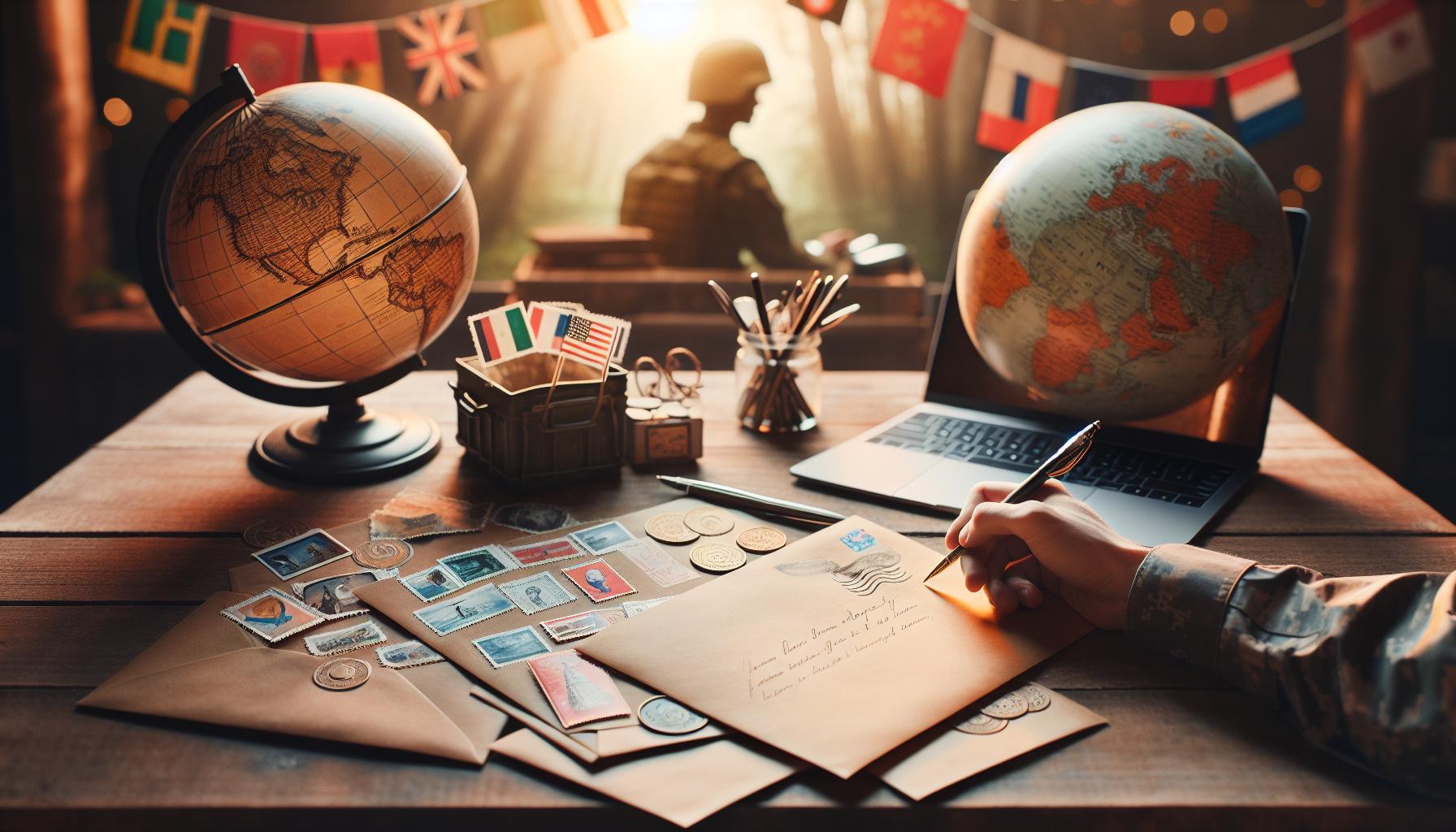
Choosing the Right Organization to Connect With Soldiers
Finding the right organization to connect with soldiers is not just about sending a letter; it’s about building meaningful relationships with those who serve our country. Numerous organizations facilitate this process, each bringing unique opportunities for connection and support. Choosing the right one can make your pen-pal experience rewarding and impactful, both for you and the service member.
Start by researching established organizations dedicated to connecting civilians with military personnel. Groups like Adopt a Soldier or Operation Gratitude often have structures in place that ensure your letters reach soldiers deployed overseas. These organizations not only help to match you with a soldier but also provide guidelines to help you write thoughtful and appropriate letters. Consider looking for local chapters of veteran organizations or community groups that may also connect you with service members in your area.
Another aspect to consider is the focus of the organization. Some are geared specifically towards soldiers deployed in combat zones, while others might cater to veterans or military families. Think about whether you want to connect with someone currently serving or someone who has returned home. If you have particular interests or experiences you’d like to share, seek out organizations that align with those values to foster deeper, more personal connections.
Finally, engage with the organizations’ communities online. Many have social media pages or forums where you can meet fellow pen-pals, share experiences, and gain insights into effective communication with service members. This support can enhance your confidence and provide inspiration for your letters, allowing you to embark on this journey with enthusiasm and determination, ensuring that both you and your pen-pal find the experience enriching and fulfilling.
Understanding the Benefits of Writing to Soldiers
Writing to soldiers can offer profound benefits, not only for those serving in the military but also for you as the correspondent. When you take the time to pen a letter, you create an opportunity to forge a meaningful connection that bridges time and space, allowing both you and the soldier to share experiences and perspectives from vastly different worlds.
One of the most significant advantages is the emotional support that letters provide. Soldiers are often far from home, facing high-stress environments and monotonous routines. Your letters can serve as a reminder that they are appreciated and remembered, fostering a sense of normalcy and connection to civilian life. Sharing your own experiences also opens the door for mutual understanding, enriching both your lives with stories of resilience and personal growth.
Furthermore, engaging in this correspondence cultivates empathy and awareness. Writing to a soldier allows you to learn about their unique challenges and experiences, which helps to humanize the military experience. This exchange can build lasting friendships that defy stereotypes and foster respect across different backgrounds. As you share your thoughts and feelings, you contribute to a broader understanding of the sacrifices made by those in service, creating a deeper sense of community and connection.
In addition to emotional benefits, writing also offers personal growth opportunities. It encourages you to reflect on your own life, thoughts, and values, while expanding your communication skills. Through this process, you may discover a love for storytelling or even a passion for creative expression. Embrace each letter as a chance not just to share your life but to learn and grow alongside someone facing their own challenges. As you embark on this pen pal journey, remember that your words have the power to uplift, inspire, and connect in ways that can create lasting impact.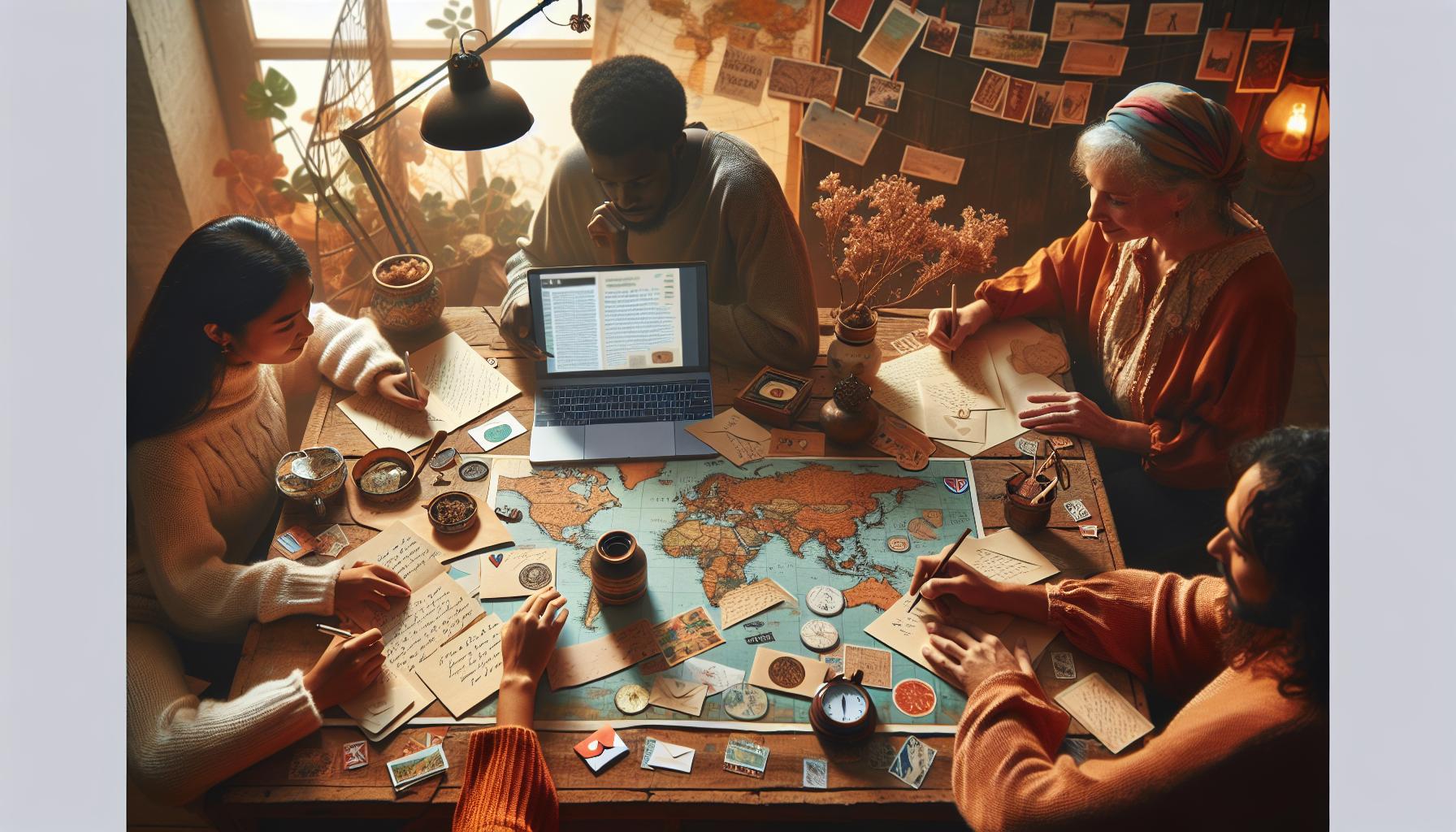
What to Include in Your First Letter
When writing your first letter to a soldier, think of it as an exciting opportunity to connect with someone from a completely different world. Your letter is a chance to break the ice, create a warm introduction, and set the stage for a meaningful exchange. Start by introducing yourself-share your name, where you’re from, and a little about your life. This is your opportunity to establish a personal connection. Mention your hobbies, your family, or what a typical day looks like for you. For instance, if you enjoy hiking, you might describe a favorite local trail, inviting your soldier to share about their surroundings.
It’s also essential to express genuine curiosity. Ask questions about their experiences-how do they spend their downtime? What is a day in their life like? You could include something like, “What do you find most surprising about your location?” This simple curiosity bridges the gap and fosters mutual understanding. Soldiers appreciate it when someone shows interest in their lives, allowing them to share their stories and perspectives.
To personalize your letter, consider including small anecdotes or stories, perhaps something funny or heartwarming that reflects your personality. Adding a touch of humor or sharing a recent personal anecdote can make your letter more relatable and enjoyable. For example, “I tried my hand at baking for the first time last week-let’s just say the smoke alarm got quite the workout!” Light-hearted moments can create a comforting atmosphere in your correspondence.
Lastly, remember to keep your tone positive and encouraging. You want your soldier to feel supported and appreciated for their service. Conclude your letter by expressing your excitement about hearing back and how you look forward to learning more about their experiences. By crafting an authentic, warm, and inviting message, you’re setting the groundwork for a wonderful pen pal journey.
Safety Tips for Writing to Soldiers
When you embark on the journey of becoming a pen pal to a soldier, keeping safety in mind is essential. Writing to someone in the military can be a deeply rewarding experience, but it’s crucial to take steps that protect both your privacy and that of your soldier. Remember, while sharing personal stories and building connections is part of the fun, maintaining a level of caution ensures that the correspondence remains enjoyable and secure.
Start by using a reliable organization to connect with soldiers. These organizations often have protocols in place to safeguard your information, ensuring both parties are kept safe. Avoid sharing sensitive personal information such as your home address or phone number in your early letters. Instead, consider using a dedicated email address or a safe mailing address, such as a P.O. Box, if you want to exchange more personal letters in the future.
Maintaining healthy boundaries is another important aspect of military correspondence. While it can be tempting to dive deep into personal stories and feelings, gradually building trust over time is key. This not only allows you to gauge comfort levels but also helps in ensuring that both you and your pen pal feel secure sharing information. A good rule of thumb is to share light-hearted anecdotes and interests while reserving more intimate details for later correspondence.
Lastly, be vigilant about the potential for scams. Unfortunately, there are individuals who may take advantage of those wishing to correspond with soldiers. If someone asks for financial assistance or seems overly eager to share personal information, it’s prudent to pause and reassess the situation. Trust your instincts; if something feels off, don’t hesitate to reach out to the organization through which you connected for guidance.
By focusing on safe practices while engaging in your pen pal journey, you create an environment conducive to genuine, meaningful exchanges, paving the way for a rewarding friendship with your soldier.
Crafting Meaningful and Personal Messages
Creating a connection through letters is not just about penmanship; it’s about expressing warmth, curiosity, and shared experiences. A thoughtful message can brighten a soldier’s day, providing a touch of home and a reminder that they’re not alone. As you sit down to write, consider the power of your words and how they can build a bridge across miles of separation.
To start, introduce yourself with genuine interest. Share your interests, hobbies, and maybe even a fun anecdote about something that made you laugh recently. For instance, if you enjoy cooking, you might mention a new recipe you tried, sparking a conversation about favorite meals. Your openness can encourage your soldier pen pal to share their own stories, creating a natural dialogue. Join your personal details with questions that invite conversation, such as “What do you miss most from home?” or “Have you discovered anything interesting in your downtime?” This not only shows that you care but also paves the way for deeper exchanges.
Next, infuse your letters with a personal touch by incorporating creative and engaging themes. Consider sending themed letters based on holidays, seasons, or specific interests. For instance, send a letter about spring with a drawing of blooming flowers, or include fun facts about your hometown during local events. You might even include small tokens like stickers or bookmarks that can brighten their day without exceeding any mailing limitations. Such elements can evoke visual excitement and allow your soldier to feel connected to your world, making your correspondence more meaningful.
Furthermore, keep in mind that listening is just as vital as sharing. If your soldier opens up about their experiences, respond with empathy and understanding. Acknowledge the challenges they face and express your admiration for their service. Phrases like “I can’t imagine how tough that must be” validate their feelings and strengthen your bond. Remember, building camaraderie takes time, so allow the relationship to evolve naturally. The more authentic your interactions, the more significant your connection will become.
In essence, crafting personal messages requires a blend of self-disclosure, creativity, and active listening. By showing genuine interest in your pen pal’s life, sharing snippets of your own, and being thoughtful in your approach, you create a supportive environment where friendship can flourish. Welcome to this enriching experience of connection that letter writing brings-embrace it with an open heart!
Creative Letter Ideas and Themes
Imagine receiving a letter filled with colorful illustrations, interesting facts, and delightful surprises-this is the joy you can bring to soldiers through your correspondence. When writing to a soldier, infusing your letters with creative themes not only makes your messages more engaging but also adds a touch of comfort from home. Embrace a sense of adventure and express your unique personality by experimenting with different letter ideas that reflect the seasons, holidays, or personal hobbies. Here are several inspiring concepts to spark your imagination.
Seasonal and Holiday Themes
Craft your letters around the changing seasons or upcoming holidays. Seasonal letter ideas can include:
- Spring: Write about blooming flowers, upcoming events in your community, and include a pressed flower or a doodle of your favorite spring scene.
- Summer: Share your plans for summer vacations, favorite BBQ recipes, or even a checklist of local summer activities. A postcard from a vacation spot can also spark excitement.
- Fall: Discuss the changing leaves, your family’s favorite fall traditions, or Halloween plans. You could even include a small packet of pumpkin seeds for a lovely touch.
- Winter: Write festive messages about holiday celebrations, favorite winter recipes, or share stories about how you stay cozy during chilly nights.
Interest-Based Themes
Let your hobbies shine through your correspondence. If you’re passionate about books, consider sending themed letters that include short book reviews or recommendations. Engage your soldier by asking what genres they enjoy or if they’ve read any books lately. If you enjoy cooking, share recipes and cooking tips or creative photos of your culinary creations. You could also start a little cooking challenge where you both try to recreate the same dish and share your experiences.
Personal Touches and Small Tokens
Enhance the creativity of your letters with personal touches! You might:
- Include handmade bookmarks or motivational quotes to inspire your soldier.
- Draw illustrations or doodle fun characters related to a story you’re telling.
- Send fun stickers or themed stationery that resonates with your communications.
These thoughtful gestures can bring warmth and a smile while also fostering a deeper connection.
By integrating these creative ideas into your letters, you are not only sharing moments from your life but cultivating shared experiences that your soldier will cherish. Remember, it’s the authentic nature of your communication that will build lasting bonds, so let your personality shine through!
Navigating Challenges in Military Correspondence
Starting a correspondence with a soldier can be an exciting endeavor, but it’s natural to encounter some challenges along the way. Knowing how to navigate these hurdles can make your pen pal journey smoother and more rewarding. One key challenge is understanding the context in which your soldier is serving. Their experiences and emotional landscape may differ vastly from everyday civilian life, and acknowledging this can help you write more meaningful letters. Consider including questions that invite them to share their feelings and experiences, while remaining sensitive to the challenges they face.
Communication inconsistencies can also be a bit daunting. Soldiers often have unpredictable schedules and varying access to mail, which may delay their responses. Embrace this uncertainty by writing letters that are open-ended, inviting them to share their stories when they have the chance. A flexible mindset helps to keep your enthusiasm alive, making it easier for both of you to engage without feeling pressured by timelines. Remember, your letters are gifts of support that your soldier can open up to whenever they find the time.
Another common concern relates to safety and privacy. It’s wise to steer clear of overly personal information until you’ve built a solid level of trust. Be cautious about sharing full names, addresses, or other private details in your correspondence. Instead, focus on lighter topics such as hobbies, interests, and daily life updates. By establishing a comfortable and respectful exchange, you can slowly deepen your connection while ensuring both your safety and theirs.
Lastly, be prepared for potential emotional challenges as well. Writing to someone in the military can occasionally bring up feelings of isolation or concern for their well-being. Create a supportive space in your letters that fosters openness and understanding, and don’t shy away from expressing your thoughts when appropriate. Check in to see how they are feeling, and share uplifting messages that show your kindness and care. In doing so, you foster a strong bond that can make the tough days a little brighter for both of you.
Respecting Privacy and Building Trust
Starting a correspondence with a soldier is a rewarding experience, filled with opportunities for connection and understanding. However, top of mind for many prospective pen pals is the importance of . Taking the time to establish a safe and respectful correspondence can greatly enhance the quality of your communication and the strength of your bond over time.
One crucial aspect to consider is the personal information you share. It’s best to avoid divulging sensitive details, like your full address or any identifying information, during the early stages of your correspondence. Instead, focus on sharing your interests, hobbies, and daily life experiences. This creates a comfortable environment that encourages openness without crossing any personal boundaries. As trust builds, you can gradually share more about yourself, allowing for deeper conversations that enrich your exchanges.
Another significant factor in building trust is actively listening and responding thoughtfully to your soldier’s letters. Show genuine interest in their experiences by asking open-ended questions that invite them to share their thoughts and feelings. For instance, inquire about what they enjoy doing during their downtime or what challenges they face in their service. This not only demonstrates your caring nature but also fosters a safe space for them to express themselves. Remember, patience is crucial; trust and familiarity are earned over time.
Additionally, be mindful of the emotional landscape in which your soldier is operating. They may face stressors that you might not fully understand, so approach each letter with empathy and a willingness to connect without judgment. Including uplifting messages and words of encouragement can help create a positive dialogue, reinforcing the notion that your correspondence is a source of support and friendship. As you navigate this journey together, you’ll find that the shared exchange of stories and experiences can build a genuinely meaningful connection that enriches both your lives.
Celebrating Your Pen Pal Journey: Stories and Tips
Building a connection through letter writing to soldiers can be a powerful and fulfilling journey, laden with stories of resilience, camaraderie, and heartfelt exchanges. Each letter offers a unique opportunity to bridge the gap between civilian life and military service, creating bonds that can last a lifetime. Celebrating your pen pal journey means cherishing the moments of shared laughter, mutual support, and learning about each other’s worlds.
Sharing Memorable Experiences
Many pen pals find joy in exchanging stories that reflect their backgrounds and daily lives. For instance, one correspondence began with a simple question about favorite childhood memories, leading to a delightful exchange of heartwarming tales. This approach not only breaks the ice but also fosters a deeper understanding of one another. Don’t hesitate to share cultural elements, such as local cuisine or traditions; these insights can enrich your conversations and provide a sense of togetherness despite geographical distances.
Creative Letter Ideas
Incorporating creativity into your letters can make your exchanges feel more personal and engaging. Consider including small drawings, photographs, or even local postcards that reflect your area. You can also try themed letters-write about a holiday celebration, a local event, or a seasonal activity. This not only keeps the conversation lively but also invites the soldier to share their experiences and traditions in return.
Navigating the Journey Together
As you progress in your correspondence, it’s essential to navigate emotional landscapes together. Celebrating milestones, such as anniversaries of your pen pal relationship or their service achievements, can further strengthen your bond. Remember to remain positive and supportive, especially during tougher times. Sharing uplifting anecdotes or inspirational quotes can provide a much-needed boost and reinforce your role as a source of encouragement.
Embrace the idea that each letter, no matter how simple, is an opportunity to create a meaningful exchange. You’ll discover that the joy of writing and sharing experiences transcends miles and can lead to a beautiful friendship that honors the uniqueness of your individual journeys.
Resources for Continued Learning and Connection
Building a connection with a soldier through letter writing can be a rewarding experience that creates lasting friendships and deepens understanding across cultures. To further your endeavors in becoming a pen pal, it’s essential to access various resources that provide guidance, support, and inspiration throughout the journey.
One excellent starting point is to explore organizations dedicated to facilitating communication between civilians and military personnel. Groups like Operation Gratitude, Soldier’s Angels, and Heroes for Heroes offer structured programs designed to connect you with service members. Engaging with these organizations not only provides a means to discover pen pals but also equips you with tools and templates for effective letter writing. Additionally, their websites often feature articles and tips about the importance of military correspondence, showcasing success stories from participants that can inspire your own writing journey.
Moreover, when looking for tips and creative prompts, consider utilizing online forums and communities. Platforms such as Reddit often host discussions where current and former pen pals share their experiences and advice, helping newcomers feel more comfortable as they navigate their first letters. These spaces can also introduce you to a variety of letter-writing challenges or themes, sparking creativity in your communications.
Lastly, local libraries or bookstores frequently have resources available-both in the form of books on letter writing and guides on military life-that can enhance your understanding and make your correspondence more meaningful. Documenting your journey in a journal can also be beneficial, allowing you to reflect on your exchanges and track your growth as a pen pal.
Remember, each letter you send is a chance to foster a deeper connection, share experiences, and build bridges across the miles. Embrace the adventure of pen pal correspondence, knowing that your words can bring joy and comfort to someone serving far from home.
FAQ
Q: How can I find a soldier to write to as a penpal?
A: To find a soldier to write to, consider joining organizations that facilitate military correspondence, like Soldier’s Angels or the Red Cross. These platforms connect civilians with service members, helping you initiate meaningful exchanges. For detailed steps, refer to the section on choosing the right organization in the article.
Q: What should I write in my first letter to a soldier?
A: In your first letter to a soldier, introduce yourself and share some personal information, like hobbies or interests. Ask open-ended questions to encourage dialogue. It’s essential to be warm and inviting, as discussed in the article section on what to include in your first letter.
Q: Are there any safety concerns when writing to soldiers?
A: Yes, safety is paramount when corresponding with soldiers. Always use a secure platform, and avoid sharing personal information too quickly. For comprehensive safety tips, refer to the article section dedicated to safety tips for writing to soldiers.
Q: How frequently should I write to my soldier penpal?
A: Aim to write regularly, but maintain flexibility based on their schedule. Establishing a routine, like sending a letter every few weeks, can foster connection without overwhelming either party. More tips on sustaining conversation can be found in the article section about keeping the conversation going.
Q: What creative themes can I use for letters to soldiers?
A: Incorporate themes like travel, family stories, or cultural experiences in your letters. Creative themes can spark interest and deepen your connection. Explore additional ideas in the article’s section on creative letter ideas and themes.
Q: How do I handle challenges in military correspondence?
A: Handling challenges, like deployment changes or communication gaps, requires patience and understanding. Remaining supportive and open to their experiences can strengthen your bond. For insights on navigating these challenges, check the article’s relevant section.
Q: Can I send packages along with letters to my soldier penpal?
A: Yes, sending packages is a wonderful way to show support! However, always check with your soldier about their unit’s regulations on receiving parcels and what items are allowed. The article can guide you on the best practices for this.
Q: What are some thoughtful gifts I can include in my letters?
A: Thoughtful gifts can include small items like photos, postcards, or drawings. Personal touches make your correspondence memorable. For more elaborate gift ideas, refer to the section on crafting meaningful and personal messages in the article.
The Way Forward
As you embark on this rewarding journey to become a penpal to a soldier, remember that your words have the power to uplift and connect across distances. By sharing stories, cultures, and support through your letters, you’re not only bridging gaps but also making a lasting impact in someone’s life. Don’t hesitate-start crafting your first message today and create a meaningful connection that can brighten both your lives.
For more tips on writing engaging letters, check out our articles on creative letter-writing ideas and the best practices for safe communication. And if you’re looking to expand your pen pal journey, join vibrant communities like Penpal-Gate or PenPalk, where you can find others eager to share their experiences and cultures. Your adventure in penmanship can begin right here! Engage with us-share your thoughts below or explore more resources to enhance your pen pal experience. Let’s foster authentic connections together!


