


In a world that often feels disconnected, the power of pen pal correspondence can create meaningful connections, especially for servicemen away from home. Engaging with pen pals not only provides a comforting outlet but also fosters a sense of belonging. This exchange of letters can bridge gaps, offering insightful glimpses into different cultures while sharing personal experiences.
As families worry about their loved ones serving far away, pen pal relationships can offer both encouragement and understanding, helping to combat loneliness. Whether you’re a serviceman seeking new friendships or someone eager to support those who serve, starting a pen pal adventure opens doors to heartwarming exchanges and lasting bonds. Dive into the joys of letter writing, discover practical tips for safe communication, and learn how to express yourself authentically in your correspondence. Your journey into the world of military pen pals awaits!
Understanding the Importance of Military Correspondence
The value of military correspondence cannot be overstated; it serves as a vital lifeline for service members stationed far from home. Letters do more than just convey messages – they provide emotional support, a sense of connection, and reminders of life outside the military environment. For many service members, receiving letters from pen pals can significantly uplift morale, helping them navigate the challenges of deployment or training. It’s a simple yet profound way to express gratitude, share experiences, and foster a genuine sense of community.
Building these connections through written correspondence can also help bridge cultural divides and promote mutual understanding. When civilians take the time to communicate with service members, it creates an avenue for sharing stories, hopes, and dreams. This dialogue encourages empathy and respect, showcasing the shared humanity that transcends the divide of uniforms and ranks. Each letter becomes a snapshot of life, a medium through which personal stories are exchanged, providing both pen pals with a unique perspective on each other’s lives.
Moreover, military pen pal programs cater to people of all ages and backgrounds, allowing for enriching experiences regardless of one’s previous knowledge of military life. They offer a chance to cultivate meaningful relationships that can span across varied cultural landscapes, providing an opportunity to learn and grow from one another. As you embark on this journey of correspondence, keep in mind that each letter is not merely a message sent; it’s an invitation to connect, to understand, and to support someone who serves, making the world feel a little smaller and more connected.
Ultimately, engaging in military correspondence holds the promise of lasting friendships, emotional resilience, and an enriched understanding of different walks of life. Embrace this opportunity with enthusiasm, knowing that every letter you write has the potential to bring joy and make a difference to someone far away.
Navigating the Do’s and Don’ts of Military Correspondence
When engaging in military correspondence, it’s essential to navigate this unique landscape with care to make the most out of your pen pal experience. Each letter you write offers a chance to connect, but understanding some key do’s and don’ts can make your correspondence more meaningful and respectful. Consider these guiding principles as you embark on this heartfelt journey.
Do’s of Military Correspondence
- Be Respectful: Always approach the correspondence with respect for the service member’s experiences and sacrifices. Begin your letters with a polite greeting and take time to express gratitude for their service.
- Share About Yourself: While it’s important to ask engaging questions, don’t forget to share about your own life, interests, and experiences. This can help create a balanced dialogue and foster a genuine connection.
- Keep It Light and Positive: Aim for an optimistic tone in your letters. Service personnel often appreciate uplifting stories, jokes, or anecdotes that provide them with a mental break from their demanding routines.
- Stay Authentically You: Be yourself! Authenticity resonates, and revealing your personality will encourage your pen pal to open up as well.
Don’ts of Military Correspondence
- Avoid Sensitive Topics: It’s advisable to steer clear of potentially contentious subjects such as politics or religion unless your pen pal raises them. Focus on shared interests and neutral topics to cultivate trust and comfort.
- Don’t Rush the Relationship: Building a connection takes time. Be patient and let the relationship unfold naturally. It’s okay to gradually share deeper thoughts and feelings.
- Stay Safe: Be mindful of your privacy and that of your pen pal. Avoid sharing personal information like your home address or phone number too soon. Establish a comfortable communication rhythm first.
- Don’t Overwhelm with Length: While it’s exciting to write, lengthy letters can be intimidating. Aim for a balance between sharing details and keeping your correspondence digestible.
Engaging in military correspondence is a beautiful way to connect across miles and experiences. Remember to approach each letter with a spirit of kindness and curiosity, paving the way for meaningful exchanges and lasting friendships. The heart of successful pen pal relationships lies in mutual respect and sincere effort, so let each letter be an opportunity to uplift and share the diverse stories of life through the written word.
Creative Ideas to Keep Your Letters Engaging
Connecting with your pen pal in the military can be a heartwarming journey filled with shared experiences and insights from different worlds. To keep your letters engaging, consider incorporating various creative elements that not only spark interest but also foster a deeper connection. One approach is to include thoughtful prompts that invite your pen pal to share stories or engage in friendly debates. For example, you might ask, “What is the most surprising experience you’ve had during your service?” or “If you could travel anywhere in the world, where would it be and why?” These questions can lead to rich conversations and help both of you open up more.
In addition to prompts, sharing artwork or photographs can add a personal touch to your letters. Whether it’s a drawing of your favorite place, a funny comic you’ve created, or a snapshot from your daily life, these visual elements can break the monotony of text and give your pen pal a glimpse into your world. You could even create a small themed section in your letters, like a “Photo of the Month,” showcasing special moments or simple joys from your life.
Another creative idea is to implement a “letter exchange log.” This can be a chart included in your letters that tracks the themes of your correspondence, such as what you’ve learned about each other or highlights from your previous letters. Not only does this provide a quick reference for both of you, but it also helps maintain a sense of continuity and encourages mindfulness in your exchanges.
Finally, don’t underestimate the power of fun challenges. You might propose a friendly leaderboard game where you both take turns sharing personal trivia or complete small challenges inspired by each other’s lives, such as learning a new word in another language or trying a recipe. This playful spirit can make your letters less formal and much more enjoyable, transforming your correspondence into an ongoing adventure that you can both look forward to.
By infusing your letters with these creative ideas, you’ll not only keep the conversation lively but also facilitate a greater understanding and connection that transcends geographical boundaries. Embrace the excitement of getting to know each other through thoughtful, imaginative exchanges, and watch your friendship flourish over the miles!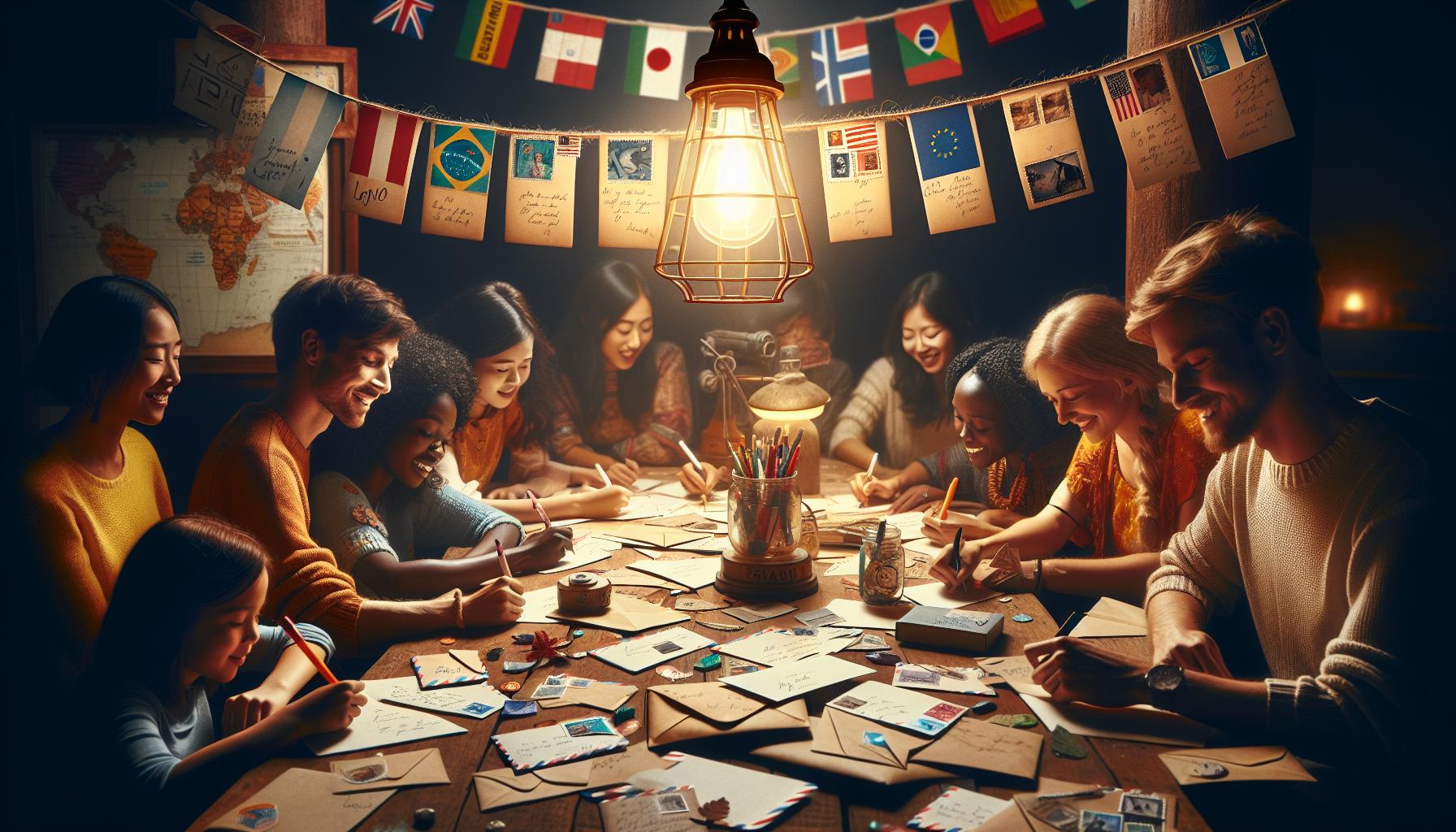
Building Trust and Connection Over Time
Building a rich and trusting relationship with your military pen pal can be one of the most rewarding aspects of correspondence. As you embark on this journey, remember that trust doesn’t develop overnight; it’s nurtured through patient interactions, mutual respect, and shared experiences. Just like a seed needs time to grow, so do your connections. By investing time in your letters and creating a consistent means of communication, you create a fertile ground for trust to thrive.
To start, consider establishing a rhythm to your correspondence. Regular letters, whether weekly or bi-weekly, provide a sense of stability and expectation. This consistency helps both you and your pen pal rely on the correspondence as a meaningful part of your lives. Sharing updates about your day-to-day activities, thoughts, and feelings can gradually foster a deeper understanding of each other’s worlds. The more you share, the more your pen pal may feel comfortable reciprocating, leading to an enriching exchange of perspectives.
As you dive deeper into your relationship, it’s important to embrace vulnerability. While it might feel daunting at first, sharing your fears, dreams, and even mundane details about your life fosters a sense of connection that transcends geographical boundaries. You might say, “I’ve been feeling a bit overwhelmed with my upcoming exams,” or “I tried a recipe that reminded me of my grandmother’s cooking.” These personal touches allow your pen pal to see you as a real person, encouraging them to open up in return. Here are some practical tips for nurturing trust:
- Active Listening: Respond thoughtfully to what your pen pal shares, showing that you value their experiences.
- Be Authentic: Write from the heart, and let your true self shine through your words.
- Ask Questions: Show genuine interest in your pen pal’s life. Questions can spark deeper conversations.
- Respect Boundaries: As you share and learn, be sensitive to areas where your pen pal may not be ready to disclose information.
As time passes, your letters will begin to reflect a narrative of shared experiences, laughter, and even moments of reflection. Celebrate milestones together, whether they’re personal achievements or just special days in each other’s lives. These small traditions-like sending a festive letter for a holiday or reflecting on the past year’s highlights-can enhance the bond you share. The key is to cultivate a partnership rooted in trust, where both parties feel valued, respected, and connected, transforming your correspondence into a lasting friendship filled with joy and support.
Safety Tips for Writing to Servicemen
When embarking on the journey of correspondence with servicemen, it’s natural to feel a mix of excitement and apprehension, especially concerning safety. Understanding how to protect both yourself and your pen pal is paramount to fostering a safe and enjoyable exchange. While the opportunity to build meaningful connections can be rewarding, it’s crucial to approach this venture with informed and cautious enthusiasm.
To begin, one of the most essential guidelines is to maintain your privacy. Avoid sharing specific personal details that could make you vulnerable, such as your home address, phone number, or any sensitive financial information. Instead, opt for using a P.O. Box for sending letters, offering an extra layer of protection for both you and your pen pal. This approach not only secures your information but also creates a sense of professionalism in your correspondence.
Additionally, it’s wise to screen your pen pal prior to sharing personal stories or photographs. Engage in light conversation and observe how they respond to your questions-does their tone match your comfort level? A good indication of a trustworthy connection is the reciprocity and openness in sharing information. If something feels off or rushed, trust your instinct and take a step back to reassess the situation. You are entitled to set boundaries and navigate your correspondence at a pace that feels right for you.
Lastly, be aware of the potential challenges of military correspondence. Understand that servicemen may have constraints or guidelines from their superiors regarding letter writing. This could mean delays in responses or restricted topics. Stay patient and remain supportive, as they might be navigating complex feelings about their experiences. Fostering this understanding not only enhances communication but also builds a strong foundation of trust.
By following these safety tips, you can confidently dive into the rewarding experience of pen pal correspondence with servicemen while establishing a respectful and secure connection that brings joy and camaraderie.
Encouraging Open and Honest Communication
Establishing open and honest communication with your pen pal can turn simple letters into profound exchanges of experiences and emotions. When reaching out to servicemen, remember that they are navigating unique challenges that often affect their ability to communicate freely. Starting with a genuine introduction can lay the groundwork for a meaningful dialogue. Share your background, interests, and thoughts on why you decided to become a pen pal. This not only serves as a conversation starter but also invites your pen pal to do the same, fostering a sense of mutual trust and connection.
To encourage candid exchanges, initiate discussions about lighter topics before delving into more personal matters. Ask open-ended questions that allow them to share at their comfort level, such as, “What’s a hobby you picked up during your service?” or “What’s the funniest thing you’ve seen while deployed?” These kinds of queries not only keep the conversation engaging but also showcase your genuine interest in their life, making them feel valued and understood.
It’s also beneficial to share your own stories and reflections, as vulnerability can inspire your pen pal to reciprocate. If you’ve traveled to an interesting place or tried a new activity, tell them about it! For instance, you might say, “I recently tried rock climbing for the first time, and it was both thrilling and terrifying!” This form of self-disclosure can ease the pressure on your pen pal to share deep insights right away, allowing the relationship to develop naturally over time.
While the ultimate goal is to build a genuine connection, it’s equally crucial to respect boundaries. Implementing a casual check-in about how comfortable they feel with specific topics can demonstrate your consideration for their feelings. Active listening is key-when you take the time to digest what they’ve shared, it encourages an ongoing dialogue that feels safe and welcoming. Overall, nurturing open communication through thoughtful questions, shared stories, and mutual respect will pave the way for a rewarding pen pal relationship that both you and your serviceman cherish.
Sharing Moments and Experiences: What to Include
Sharing personal moments and experiences through letters not only bridges the gap between you and your serviceman but also enriches both your lives. When you’re writing to someone who may be far from home, these shared narratives can provide comfort, laughter, and a sense of connection. Think about the little snippets of your daily life that make your world unique; these slices of life can mean so much to someone navigating the challenges of military service.
One effective approach is to offer anecdotes about your life, as these relatable stories can help them feel closer to home. For example, share what a typical day looks like for you-what do you enjoy doing after work or on weekends? You could describe a day out with friends, trying a new restaurant, or even funny experiences from your job. Perhaps you recently attended a local event or festival-painting a vivid picture of that experience can evoke a sense of presence and involvement that transcends distance.
Incorporate your hobbies and interests into your correspondence. Discussing books you’re reading, shows you’re watching, or projects you’re working on can open up new avenues for conversation. Invite them to respond with their own interests and experiences-this could spark discussions about shared passions or even introduce you both to new ideas. For instance, if you enjoy cooking, you might include a recipe you love and ask if they’ve tried cooking anything special.
Don’t hesitate to dive into cultural exchanges as well! Sharing local traditions, holidays, or seasonal activities can make the exchange more vibrant. If there’s a particular holiday coming up, explain how you celebrate it, the significance it holds, or any special memories associated with it. You might also inquire about their own home traditions or experiences during their service. These elements foster a deeper understanding of each other’s worlds, creating a rich tapestry of shared moments.
Ultimately, the goal is to foster an environment of openness and connection. Start by sharing easy-going tales and gradually encourage deeper conversations as trust builds. Respect their comfort zone while expressing your own willingness to share; mutual sharing can profoundly enhance your friendship. Remember, each letter is an opportunity-use it to weave a narrative filled with laughter, empathy, and understanding, making your correspondence a treasured part of both your lives.
Maintaining Long-Distance Friendships Through Letters
Staying connected through letters can transform a long-distance relationship into a lasting friendship, especially with servicemen who may be far from home. Each letter serves as a bridge, offering a glimpse into each other’s lives and cultivating a bond that transcends distance. As you begin exchanging letters, it’s important to remember that maintaining this connection requires patience, motivation, and creativity.
To keep the conversation flowing, try to set a regular schedule for writing. Whether it’s weekly or biweekly, having a routine can help both you and your pen pal look forward to your next update. Engage them by asking open-ended questions about their experiences or thoughts on shared interests. For instance, if you’ve discussed favorite movies, ask them what the last film they watched was and how it resonated with them. This kind of continued dialogue not only enriches the friendship but also keeps the momentum alive, making your exchanges feel naturally ongoing rather than sporadic.
Incorporating small personal touches can make your letters more engaging. Consider including pieces of artwork, photographs, or even mementos from your daily life, like a pressed flower or a drawing of something that inspired you. These intimate elements act as conversation starters and provide material for deeper discussions. By sharing these various facets of your life, you enhance the sense of closeness that letter writing can cultivate, making the experience feel less like a chore and more like a delightful exploration of one another’s worlds.
Lastly, always be sensitive to the emotional landscape of your correspondence. Understand that while your serviceman may face stress and challenges, they might also have inspiring stories from their experiences. Be a supportive friend by acknowledging their struggles and victories equally. Encouraging them to share their thoughts while reassuring them of your friendship can create a safe space for open communication. Together, you can build a relationship characterized by shared understanding and encouragement, making the distance between you feel much smaller. Through letters, you can nurture a connection that, like a well-tended flower, grows beautifully over time.
Inspirational Stories from Pen Pals and Servicemen
Every letter sent between a pen pal and a serviceman holds the power to transform lives and foster genuine connections. The stories that emerge from these exchanges often highlight the resilience, bravery, and spirit of service members, as well as the heartfelt sentiments of their pen pals. From moving tales of personal challenges overcome to the simple joy of shared hobbies, these narratives can inspire and illuminate the unique bonds formed through military correspondence.
One pen pal, Sarah, recalls her experience writing to a deployed soldier named Mark. Initially intimidated by the idea of reaching out to someone in such a demanding position, Sarah found her voice by sharing her own love of photography. She began including snapshots of nature around her hometown, sparking conversations about their favorite landscapes. Mark, in turn, shared vivid descriptions of his surroundings overseas, often contrasting the war-torn environment with the serene beauty of the landscapes in Sarah’s photos. Their letters became a sanctuary for sharing not just experiences, but dreams and aspirations, reminding them both of hope amidst challenges.
Simple Exchanges, Lasting Bonds
The power of these connections often lies in the small, everyday moments captured in letters. One marine shared how receiving letters from his pen pal reminded him of home and connected him to a life he deeply missed. He would share stories of weekend barbecues and family gatherings, while his pen pal sent updates about local events and community gatherings that seemed ordinary yet filled the marine’s heart with nostalgia. Each exchange infused a sense of belonging, turning an ordinary letter into a treasured piece of comfort.
Another serviceman reported a profound change in his mental health after corresponding with his pen pal. Sharing daily struggles and triumphs with someone who listened without judgment provided him with an emotional outlet. His letters transformed from simple updates to deep discussions about personal growth, fears, and hopes for the future. This exchange not only helped him cope with the stress of his service but also enabled his pen pal to gain a deeper understanding of the complexities faced by those in the military.
Inspiration can emerge from even the most unexpected encounters. A soldier met his pen pal during a charity event, where both shared an interest in supporting veterans. They began exchanging letters highlighting their volunteer experiences, fostering a shared commitment to advocacy. That common goal not only sparked a friendly competition over who could organize more community outreach but also solidified a powerful partnership grounded in purpose and camaraderie.
These stories exemplify how writing to a serviceman can yield profound transformations. Whether it’s simple joys, the weight of shared hardships, or a mutual support system focusing on positive outreach, these letters cultivate a richness in life that both pen pals cherish. As you embark on your own journey of military correspondence, remember that every shared word is a step toward creating unforgettable stories and lasting friendships.
Frequently Asked Questions
Q: How can I start writing letters to servicemen as a pen pal?
A: To start writing letters to servicemen, first, find a reputable pen pal organization or military support group that connects civilians with military personnel. Once you match with a serviceman, begin by introducing yourself and expressing your interest in their experiences, respecting their privacy and comfort level.
Q: What topics should I avoid when writing to a military pen pal?
A: Avoid sensitive topics such as politics, personal trauma, or anything that might be emotionally distressing. Focus on light and uplifting subjects, such as hobbies, travel, or everyday life, to foster a positive and supportive correspondence.
Q: How do I ensure my letters are safe and secure when corresponding with servicemen?
A: To ensure safety, use only the established channels provided by the pen pal organization. Avoid sharing personal information like your full address or phone number until you build mutual trust. Always abide by the guidelines provided for safe correspondence.
Q: What should I include in my first letter to a serviceman?
A: In your first letter, introduce yourself, share your interests, and express why you want to connect. Include questions about their experiences and mention something relatable, which can help in breaking the ice and initiating meaningful exchanges.
Q: How can I keep my letters engaging for my military pen pal?
A: Keep your letters engaging by incorporating stories from your life, using humor, sharing interesting news articles, or recommending books or movies. Ask open-ended questions to encourage more in-depth conversations and show genuine curiosity about their life.
Q: How often should I write to my military pen pal?
A: Aim to write to your military pen pal regularly, such as once every two to three weeks. This frequency allows for consistent communication without overwhelming both parties, and it shows your commitment to building a meaningful friendship.
Q: Can I send gifts or care packages to my military pen pal?
A: Yes, but first, check with the pen pal organization or your serviceman about their preferences and regulations regarding sending gifts or care packages. Thoughtful gifts can enhance your correspondence, but ensure they comply with military guidelines.
Q: What are some common challenges in military pen pal correspondence?
A: Common challenges include communication delays due to deployment, emotional topics that might arise, and the struggle to find the right words. Being patient and understanding during these times can help strengthen the bond of your correspondence.
Wrapping Up
As you embark on the rewarding journey of becoming a pen pal for servicemen, remember the joy and connection that thoughtful correspondence can bring. Each letter is a chance to share experiences, stories, and a bit of your world, fostering a bond that transcends distances. If you’re eager to connect, why wait? Start crafting your first letter today, and explore more tips on our resources page for meaningful letter writing strategies.
Curious about other ways to enhance your correspondence? Check out our articles on crafting engaging introductions and maintaining a safe pen pal relationship. Join our community and share your experiences-your stories could inspire others to take the plunge too! Together, we can create a vibrant space for connection and understanding. Let’s write the next chapter together, one letter at a time!


