


In a world increasingly dominated by technology, the simple joy of letter writing holds extraordinary power, especially for the elderly. Becoming a pen pal for seniors is not just about exchanging letters; it’s about creating cherished connections, brightening their days, and combating the loneliness that can sometimes accompany aging.
Imagine the warmth of receiving a handwritten note from a caring friend, sharing stories, laughter, and life experiences. This meaningful interaction nurtures not just individual spirits but fosters a sense of community. Whether you’re concerned about how to start or hesitant about safety, rest assured that this adventure can be both safe and rewarding.
Dive into the world of pen palling, and discover practical tips for establishing lasting relationships through thoughtful exchanges. You’ll learn how to break the ice, keep the conversation flowing, and ultimately enrich the lives of both you and your new friend. Every letter has the potential to spark joy; let’s explore how you can bring that joy to the elderly through the art of correspondence.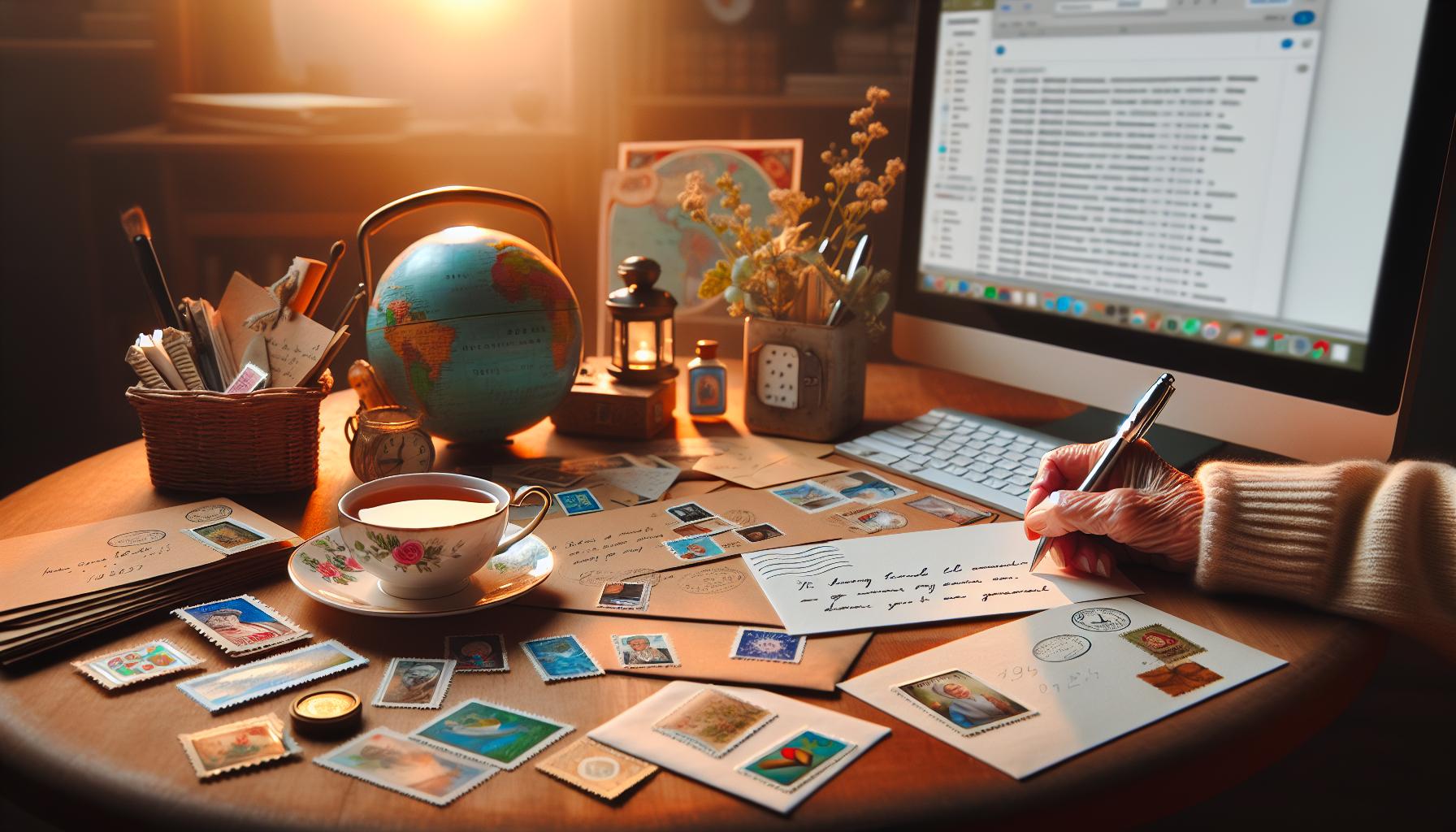
How to Start a Heartfelt Pen Pal Relationship
Starting a heartfelt pen pal relationship, especially with the elderly, is an enriching journey that can brighten both your life and that of your correspondent. Many seniors often experience isolation, and a warm letter can be a lifeline, fostering friendship and connection. Approach this experience with an open heart and genuine curiosity, and you’ll be planting the seeds for a meaningful exchange.
To begin, write an engaging introductory letter that goes beyond the basic details. Share a bit of your life, hobbies, and experiences-while encouraging your pen pal to do the same. Craft your letter with a tone of warmth and inclusivity, expressing your eagerness to learn about their life stories and perspectives. You might start with something like, “I hope this letter finds you well and brings a smile to your day! I’ve been looking forward to becoming your pen pal and getting to know you better.” This approach creates an inviting atmosphere, making it easier for your correspondent to engage.
In sharing experiences and interests, suggest captivating topics that resonate with different generations. You might explore themes such as childhood memories, favorite books, or even holiday traditions. This not only breaks the ice but also leads to richer conversations that foster deeper connections. Remember, listening is just as important as sharing; reflect on what your pen pal tells you to show genuine interest and appreciation for their stories.
In the era of digital communication, the art of letter writing offers a uniquely personal touch that can deepen bonds over time. Encourage your pen pal to express themselves freely, nurturing their thoughts and feelings. Celebrate milestones with small notes of encouragement or surprise them with creative letter content like drawings, photographs, or clippings from interesting articles. This way, your correspondence blossoms not just as a routine exchange, but as a treasured ritual that both of you look forward to.
Crafting the Perfect Introductory Letter
In the world of letter writing, the introductory letter holds immense significance-it’s the first impression and sets the tone for your budding relationship with your pen pal. Crafting this letter requires thoughtfulness and authenticity; it’s your opportunity to express warmth and foster a genuine connection. Start by sharing a snapshot of who you are, but remember to keep it inviting. You could begin with a friendly greeting, something like, “I hope you’re having a lovely day!” This simple gesture creates a welcoming atmosphere.
Personal Touch
When writing your introductory letter, infuse it with personal anecdotes that highlight your interests and life. Share your hobbies, a favorite book, or an experience that shaped you. For instance, if you enjoy gardening, describe your garden and what you love to grow. This not only introduces your personality but also opens avenues for conversation. You might say, “I’ve recently taken up gardening and find joy in nurturing my plants. Do you have any favorite flowers?” Such questions gently prompt your pen pal to respond with their own experiences, fostering a two-way dialogue.
Encourage Reciprocity
An effective introductory letter should invite your pen pal to share their story too. Alongside your personal information, pose open-ended questions about their lives. These could range from their childhood memories to what they enjoy doing on weekends. Including questions like, “What brings you joy these days?” makes it clear that you value their experiences and are genuinely curious about their world.
Maintain Warmth and Inclusion
In your writing, aim for a tone of warmth and inclusivity. It’s important to express your eagerness to learn about their life stories and wisdom. Use phrases that convey appreciation for their journey, such as, “I’m excited to learn about your experiences and the stories you have to share.” This not only emphasizes respect but also enhances the bond you’re creating.
By thoughtfully crafting your introductory letter, you lay the foundation for a beautiful correspondence. Remember that letter writing is not just about sharing information; it’s about building a connection that can enrich both your lives. Each letter exchanged becomes a piece of a larger, shared narrative filled with empathy, curiosity, and mutual respect.
Choosing Meaningful Topics to Share
When engaging in correspondence with elderly pen pals, can transform letter writing from a simple exchange of words into a heartwarming connection that brings joy and enriches both lives. It’s essential to focus on shared experiences, interests, and values, fostering a sense of companionship and belonging. For instance, you might consider delving into topics related to nostalgia, as many elderly individuals appreciate reminiscing about memorable moments from their past. Sharing your own favorite childhood stories can evoke similar memories for them, creating an enriching dialogue that bridges generational gaps.
Encourage Storytelling
Storytelling can serve as a powerful tool in your letters. Encourage your pen pal to share stories from their youth, family traditions, or significant life events. You might ask, “What was your favorite memory from school?” or “Can you tell me about a special family recipe?” These open-ended questions not only invite rich narratives but also show genuine interest in their life’s journey. By sharing your own related experiences, you cultivate an environment that invites reciprocity and deeper connection.
Explore Shared Hobbies
Understanding that your pen pal may have unique interests can lead to delightful exchanges. Many elderly individuals have hobbies that they cherish, whether it’s gardening, knitting, reading, or birdwatching. By sharing your own hobbies-what you love about them and any related experiences-you encourage them to open up about their passions. For example, if you enjoy cooking, ask about their favorite dishes to prepare or meals they’ve loved over the years. You might say, “I recently tried baking a cake from scratch; do you have a favorite dessert recipe?” This can spark joy and excitement in your correspondence.
Discuss Current Events and Interests
While nostalgia and hobbies are wonderful topics, don’t shy away from discussing current events, advancements, or interests. Depending on your pen pal’s comfort level, sharing insights about technology, arts, or even local news can create a shared understanding of the world today. Consider introducing a topic that interests you, like a recent book you’ve enjoyed or a movie you’ve seen that resonated with you-this can pave the way for them to share their thoughts or experiences related to the same theme.
Choosing thoughtful, relatable topics not only helps to sustain the interest in your correspondence but also strengthens the bond you are forming. By being curious and open in your discussions, you can craft a nuanced dialogue that goes beyond the exchange of letters, creating a lasting friendship imbued with respect and affection. Remember, the beauty of pen pal relationships lies in the shared stories and insights that make every letter a treasure.
Creative Ideas for Letter Content
Engaging with elderly pen pals can be a deeply fulfilling experience, offering chances to share joy, wisdom, and creativity through the cherished art of letter writing. To foster an enriching connection, consider incorporating varied and imaginative ideas into your letters that capture both of your personalities and memories. This not only brightens their day but also makes every letter feel special.
One delightful approach is to include personal anecdotes. Sharing stories from your own life, like a recent adventure or a culinary mishap, invites your pen pal to relate their experiences and memories, sparking conversations rooted in shared feelings. For instance, if you recently took a trip to a local museum, describe what you saw and how it reminded you of a story they once told about a similar visit. This continuity can forge a deeper bond.
Another creative idea is to introduce a themed letter exchange where each letter explores a specific topic or interest. You could create themes like “favorite childhood games” or “most memorable vacations.” You might write, “This month, let’s share our favorite childhood games. I remember playing hopscotch with friends; what games did you love?” This playful approach not only adds structure but also encourages both of you to delve into nostalgic memories.
Incorporating artistic elements can also bring joy to your exchanges. You could draw simple illustrations, share pictures from your life, or even enclose small tokens like pressed flowers or postcards. Alternatively, consider adding a fun section to your letters dedicated to quizzes or puzzles. Create a word search or crossword related to a theme you both enjoy, providing a shared activity that can prompt laughs and discussions in your next letter.
Lastly, don’t underestimate the power of questions and prompts. Begin each letter with open-ended questions-“What was the craziest meal you’ve ever prepared?” or “Which book has influenced you the most in life?”-that not only encourage storytelling but also show your genuine interest in their thoughts and feelings. By making your letters an engaging platform for mutual discovery, you’ll build a lasting connection filled with laughter, learning, and love through every exchange.
Navigating the Challenges of Long-Distance Correspondence
Navigating the journey of long-distance correspondence can be both thrilling and challenging, especially when writing to elderly pen pals. One common hurdle is the delay in communication; letters can take days or even weeks to arrive. Embrace this waiting period as an opportunity for anticipation and excitement-after all, the best part of receiving a letter is knowing that someone is taking the time to share their life experiences with you. To alleviate any concerns about this lag, keep your letters engaging and full of warmth, showing that you’re genuinely interested in their lives.
Another challenge often faced is the potential for misunderstandings through written communication. Without the benefit of vocal tone and body language, it’s crucial to be clear and kind in your writing. Take special care to re-read your letters before sending them, ensuring your sentiments convey exactly what you intend. Adding personal touches, like asking about their family or hobbies, makes it easier for them to respond and creates an inviting atmosphere for open dialogue.
Moreover, be conscious of varying time zones and personal schedules. Just as you might have busy days, your elderly pen pal may have appointments or activities that might delay their responses. Establish a flexible communication rhythm. You can create a system where both of you can share when you’re likely to write next, helping to set mutual expectations and reduce any feelings of anxiety about responding promptly.
Lastly, expect the unexpected! Life is unpredictable; sometimes thoughts may flow easily, while other times, you might struggle to come up with content. Don’t be afraid to address this in your letters. Sharing your own hesitations or even asking them for ideas on what they’d like to read about can strengthen your bond and keep the lines of communication open. This authenticity encourages a supportive friendship that thrives on understanding, patience, and enjoyable exchanges. By embracing the challenges of long-distance pen pal relationships, you can turn potential obstacles into enriching opportunities for connection and joy.
Tips for Encouraging Meaningful Responses
There’s something truly magical about receiving a handwritten letter, especially for the elderly, who often cherish these connections deeply. To encourage meaningful responses from your pen pal, it’s essential to foster an environment of warmth and engagement through your letters. By being intentional in your communication, you can inspire your elderly friend to share their thoughts, stories, and experiences with you.
One effective approach is to ask open-ended questions that invite detailed responses. Rather than posing yes or no questions, consider prompting your pen pal with queries like, “What was your most memorable vacation, and why?” or “Can you tell me about a tradition your family has that you hold dear?” These questions not only encourage storytelling but also help establish a deeper connection as they share cherished memories. Additionally, tailor your questions to their interests and experiences, which shows that you are genuinely invested in learning about them.
Incorporating personal anecdotes can also spark a reciprocal sharing. When you write about a recent experience, such as a family gathering or an outing, you create a relatable context that might encourage them to share similar stories from their life. For example, recounting a funny incident or a challenge you faced can help them feel comfortable enough to reciprocate, making the exchange feel more like a natural conversation.
It’s also important to create a welcoming tone in your letters. Use warm, expressive language and convey excitement about your next correspondence. Phrases such as “I can’t wait to hear your thoughts!” or “Your stories always bring a smile to my face!” signal that their responses are valued and anticipated. Lastly, consider providing them with thoughtful prompts based on current events or shared interests, such as “Did you hear about the recent art exhibit in town? I’d love to know your opinion on modern art!” This way, you stimulate their thoughts while also keeping the conversation fresh and engaging.
By being mindful of how you ask questions, share personal stories, and maintain a friendly tone, you’ll create a pen pal relationship that is rich in connection and reciprocity. With each letter exchanged, you’ll build a bond that not only brings joy but also fosters elegant exchanges of stories and wisdom across generations.
Cultural Exchange: Sharing Traditions Through Letters
Writing to a pen pal opens the door to a rich tapestry of cultural exchange, as the simple act of sharing traditions can foster deep connections between generations. Each letter becomes a vessel for stories of customs, holidays, and generations past, creating a bridge between the past and the present. Consider how illuminating it can be to share your favorite family recipes or holiday rituals-these are not just actions but narratives filled with meaning that can spark joy and curiosity in your elderly pen pal.
One practical way to celebrate cultural exchange is by inviting your pen pal to share their traditions. You might begin a letter with a themed question: “What do you remember about the traditions your family celebrated during the holidays?” This not only encourages a beautiful storytelling exchange but establishes a space for your pen pal to reminisce about their cherished experiences. Their reflections could include the significance of specific dishes prepared during holidays or festivals, unique family gatherings, or even stories of ancestors that shaped these traditions.
Sharing Your Own Cultural Insights
Alongside their stories, you can enhance the dialogue by sharing your own traditions. Perhaps tell them about how your family celebrates birthdays or a local event unique to your region. You can include details like the special foods served, the kind of music played, or any fascinating historical background. If you’ve traveled to a different country, recounting your experiences-such as participating in a local festival or trying a traditional dish-can add layers to your correspondence. Use vivid descriptions to make your words come to life:
- “Last Thanksgiving, we tried a new recipe for pumpkin pie that had a sprinkle of cinnamon, making it taste like a warm hug!”
- “During the summer, there’s a festival in our town where everyone dances and wears colorful costumes-it feels like stepping into a storybook!”
Encouraging Reciprocal Sharing
Furthermore, you can gently prompt your pen pal to share their life lessons or cultural heritage. You could ask them to describe a lesson they learned from a family member or a memory of a cultural event that impacted them deeply. This not only helps in nurturing a reciprocal exchange but also builds rapport, encouraging both of you to explore and celebrate your unique backgrounds.
As you embark on this journey of cultural exchange, strive to be respectful and open-minded as you navigate differences. Understand that sharing traditions can touch on sensitive or nostalgic topics; being patient and empathetic will enhance the bond you create. Allow this delightful sharing to cultivate a sense of community and an appreciation for the beautiful mosaic of cultures that you both represent through your letters.
Safety First: Protecting Your Privacy
In the world of pen pal correspondence, especially when reaching out to the elderly, it’s crucial to prioritize safety and privacy. It’s not just about sharing delightful stories or exchanging recipes; the integrity of your personal information is equally important. Many first-time writers feel apprehensive about revealing too much about themselves, and that’s completely normal. Establishing a relationship based on trust and transparency can take time, but that doesn’t mean compromising your safety.
To safeguard your privacy, start with discretion in your first letters. You might want to use a pseudonym rather than your full name, particularly while you’re still getting to know your pen pal. Share only your first name, a general location (like your city or region), and age if you feel comfortable. But avoid giving specifics such as your address, phone number, or any sensitive personal details that could compromise your security. You can always deepen your relationship over time and share more as trust builds.
Moreover, consider using a secure mailing method. Some writers choose to set up a P.O. box for correspondence, ensuring that their home address remains private. This not only enhances safety but also adds a dash of fun when you go to check for letters. If you’re communicating through email, be wary of sharing too much identifiable information. Familiarize yourself with privacy settings on your email or social media accounts if these platforms are your chosen method of communication.
Encouragement in the Sharing Process
Creating a safe environment for open dialogue is key. Encourage your elderly pen pal to also maintain their privacy. You might say something like, “Feel free to share as much or as little as you’re comfortable with; I completely respect your privacy.” This lays the groundwork for mutual trust and ensures that both parties feel secure as the relationship blossoms. Remember, building a pen pal relationship is a gradual process, and there’s no need to rush into overly personal topics. It’s all about enjoying the journey of exchanging thoughts and experiences safely!
Maintaining a Consistent Writing Schedule
Establishing a consistent writing schedule is fundamental in nurturing your pen pal relationship-especially when connecting with the elderly, who often cherish routines and the predictability that letters provide. Setting a regular cadence not only helps to maintain engagement but also builds anticipation for each new exchange. Consider discussing a frequency that suits both you and your pen pal. Perhaps you could agree to write once a week or biweekly, depending on your respective schedules and preferences.
As you embark on these delightful exchanges, it can be useful to create a friendly reminder system to keep you on track. Whether you use your phone’s calendar, sticky notes, or a dedicated notebook, visual prompts can remind you when it’s time to write. Some pen pals find it exciting to plan their letters around specific themes or topics, which can bring a sense of fun and structure to your correspondence. By marking specific dates on your calendar, you can designate certain weeks for sharing particular experiences, like discussing favorite childhood memories or family traditions.
Consistency goes beyond just the frequency of writing; it’s also about maintaining a tone of warmth and familiarity. Whether you’re sharing another season’s changes or a personal anecdote, your pen pal will appreciate the continuity. To add a personal touch, include little elements such as seasonal drawings, funny anecdotes, or even photographs that reflect your life. These details create a richer tapestry of connection and give your exchanges a sense of intimacy.
Ultimately, maintaining a writing schedule helps cultivate a blossoming friendship. Each letter is a little piece of your life that you’re sharing, so savor the process. Embrace the joy of creating a rhythm that works for you both, inviting curiosity and excitement with every new letter. The more you write, the more naturally the relationship will grow, fostering a meaningful connection that transcends the miles between you.
The Joy of Receiving Letters: Anticipation and Connection
There’s an incredible thrill that accompanies the arrival of a letter from a pen pal, particularly for the elderly, who often find joy in the tactile experience of receiving correspondence. Each envelope holds the promise of connection, curiosity, and perhaps even a little nostalgia. The anticipation builds as they check the mailbox, wondering if today’s treasure might hold news from a far-off friend. This delightful ritual represents not just a communication method, but a bridge between lives and worlds, reigniting connections that might have faded over time.
Creating a Personalized Touch
To enhance this joyful experience, make your letters pop with personality. Including thoughtful touches like drawings, photographs, or favorite quotes can brighten your pen pal’s day. Consider sharing stories from your life, asking them questions that encourage reflection, or even discussing shared interests like gardening or cooking. This allows the elderly to reminisce, share their wisdom, and feel valued. Personalizing your letters shows them that they are more than just a recipient; they are an integral part of your life.
Fostering Anticipation through Regularity
Setting a consistent schedule for letter writing also helps strengthen the connection. Agreeing on exchange timelines-perhaps weekly or biweekly-can transform simple communication into a cherished routine. The excitement of anticipating a letter can spark conversations and give both pen pals something to look forward to. It builds a rhythm that not only nurtures the relationship but also imbues each letter with significance. For example, you might like to send themed letters around holidays or special occasions, making the exchange even more meaningful.
By cultivating this sense of anticipation and creating an intimate space for connection, you are not merely exchanging letters; you are building a relationship that carries warmth and affection. Each envelope opens up a world of possibilities-stories shared, memories revived, and friendships deepened-making the act of letter writing a truly rewarding experience for both you and your elderly pen pal.
Building Lasting Friendships Across Generations
There’s something truly magical about the bond formed through letters, especially between generations. Connecting with an elderly pen pal not only provides an enriching experience for them but also grants younger individuals the opportunity to learn from a repository of life experiences. This intergenerational exchange fosters understanding and friendship, bridging gaps that often seem insurmountable in our fast-paced, digital world. In penning letters, individuals can explore each other’s worlds – sharing stories, values, and insights that contribute to a deeper appreciation of life’s journey.
To nurture a lasting friendship, consider embracing genuine curiosity about your pen pal’s life. Ask open-ended questions that allow them to share their experiences, like aspect of their childhood or thoughts about changes they’ve seen over the years. For example, inquire about favorite family traditions or significant historical events they have lived through. Such inquiries not only open doors to fascinating stories but also encourage a deeper emotional connection, allowing them to reminisce and feel valued. When they see that their memories hold significance to you, it fosters a sense of belonging and respect.
Another way to strengthen this friendship is to share your own life openly, offering a glimpse into your world. This could be sharing recent accomplishments, challenges, or even simple day-to-day activities. The focus on self-disclosure cultivates a sense of intimacy in your correspondence. Consider creating a thematic approach to your letters; for instance, one letter could revolve around hobbies, while another might focus on seasonal celebrations or personal reflections. This structure keeps the dialogue fresh and engaging, making each exchange something to look forward to.
Lastly, celebrate milestones together, whether big or small. Remember birthdays, anniversaries, or even the day you first started writing to each other. These shared celebrations can show your pen pal that they are not just a recipient of your letters but an important part of your life. Include little surprises, such as a small card or a handwritten poem. These elements not only add joy to the letters but also reinforce the idea that your friendship spans beyond mere words on a page. In nurturing this bond, you create a beautiful tapestry of shared moments, creating lasting friendships that carry joy and warmth across generations.
Expressing Gratitude and Celebrating Milestones Through Letters
There’s something truly heartwarming about receiving a letter that expresses gratitude or celebrates a milestone. These moments create deep connections between pen pals, especially when the exchange spans generations. A simple thank-you note or recognition of a special occasion can transform a regular correspondence into something truly memorable. Taking the time to acknowledge the efforts of your elderly pen pal not only shows appreciation but also cultivates warmth and camaraderie.
One way to express gratitude is by recognizing the time and wisdom your pen pal shares with you. In your letters, you might say something like, “I always look forward to your stories about your childhood; they inspire me so much!” This kind of acknowledgment reinforces the value of their experiences and encourages them to share even more. Additionally, consider including small tokens of appreciation-perhaps a pressed flower or a photo from your life. Such gestures can enrich your letters, making your gratitude tangible and memorable.
Celebrating milestones can also add a significant touch to your correspondence. Whether it’s a birthday, an anniversary, or the anniversary of the day you started writing to each other, acknowledging these moments strengthens your bond. You could plan to send a small gift, such as a handmade card, alongside your letter on these occasions. Writing a heartfelt note that highlights how their friendship has impacted your life will speak volumes. For instance, “Happy Birthday! Your stories have become a part of my growth, and I cherish every moment we share.”
Lastly, don’t forget to share your own milestones too! When you reach personal achievements or experience significant life changes, let your pen pal be a part of that narrative. Sharing your journey fosters a sense of connectivity and mutual celebration. It creates an enriching dialogue that enhances your relationship and shows that you care not just for their life, but for shared experiences that build the foundation of your friendship. It’s this reciprocal sharing that turns letter writing into a delightful exchange of stories and heartfelt connections, illuminating the beauty of friendship across generations.
Frequently asked questions
Q: What are the benefits of being a penpal for the elderly?
A: Being a penpal for the elderly brings joy and companionship, combats loneliness, and fosters creativity. It provides a meaningful connection across generations, enriches lives through shared stories, and helps preserve memories. Your letters can become a cherished part of their routine, brightening their days.
Q: How can I find elderly penpals who would appreciate my letters?
A: You can find elderly penpals through community programs, senior centers, and online platforms dedicated to penpals. Websites like Global Penfriends and PenPal-Gate offer safe environments to connect with seniors seeking friendship. Be sure to mention your desire to engage with older adults in your profile.
Q: What topics are best to discuss in letters to elderly penpals?
A: When writing to elderly penpals, focus on topics that resonate personally, such as childhood memories, family traditions, or current events. Share your own experiences and ask open-ended questions about their lives, which can spark meaningful conversations and deepen the connection.
Q: How often should I write to my elderly penpal?
A: Aim to write to your elderly penpal at least once a month to maintain a steady connection. However, gauge their comfort level and responsiveness, adjusting the frequency based on mutual interest. Regular communication can help build trust and anticipation for each letter.
Q: What safety tips should I follow when corresponding with elderly penpals?
A: Prioritize safety by not disclosing personal information such as your home address or phone number initially. Use a penpal service that protects privacy if needed. Always respect your penpal’s boundaries and encourage an open dialogue about comfort levels in sharing personal details.
Q: How can I encourage my elderly penpal to share more in their letters?
A: To encourage responses, ask specific questions about their life experiences or interests. Share prompts that invite storytelling, like “What was your favorite childhood memory?” or “What traditions do you cherish?” This can spark their enthusiasm to write back and share more.
Q: How do I address potential memory issues while writing to elderly penpals?
A: When communicating with elderly penpals, be patient and considerate of possible memory challenges. Use clear, straightforward language, and reference previous letters when applicable. Regularly reintroducing yourself and your topics can aid their memory and enhance the conversation.
Q: What can I do to make my letters more enjoyable for elderly penpals?
A: Enhance your letters by including colorful drawings, stickers, or printed photos that relate to your topics. Vary your writing style and incorporate engaging anecdotes. Personal touches can make each letter feel special and anticipated, adding to the joy of receiving them.
Final Thoughts
As you embark on your journey to become a penpal for the elderly, remember that every letter you write has the power to light up someone’s day and create meaningful connections. By sharing your stories, interests, and kindness, you’ll not only enrich their lives but also cultivate a friendship that transcends generations. Don’t hesitate-start writing today! If you’re looking for more tips on maintaining engaging conversations or ideas for fun letter themes, check out our articles on Creative Letter Ideas and Safety Tips for Pen Pals.
Join our community of enthusiastic letter writers and subscribe to our newsletter for the latest insights and resources to enhance your penpalling experience. Your effort to connect can make all the difference, so take that first step now. Dive into the joy of correspondence, and remember-every letter is a journey waiting to unfold!


